- Tel: +86 311 82620404
- Cell: 86 -13739710551
- Email: sales@potentia.cn

Choosing Axles: Application Fit and Specification Checks
Potentia Manufacturing Ltd.JOURNAL / THE BUYER'S GUIDE / SELECTION
THE BUYER'S GUIDE / SELECTION
Choosing Axles: Application Fit and Specification Checks
Selecting the right axles for your vehicle or trailer requires a clear understanding of load capacity, material grade, operating environment, and manufacturing quality. This guide walks procurement teams and engineers through the key criteria — from carbon steel versus alloy steel choices to the specialized demands of off-road and heavy-duty applications — so buyers can match specifications to their actual use case with confidence.

Load capacity: Match the axle to the gross vehicle or trailer weight including dynamic load margins. The confirmed range supports unit weights from 1 kg to 16,000 kg; applications exceeding this should be confirmed with the manufacturer before ordering.
Material grade and heat treatment: Choose carbon steel for general road use, alloy steel for high-stress or high-cycle environments, and stainless steel for corrosive settings. Special heat treatment can increase hardness and fatigue resistance for heavy-duty use and must be specified at the order stage.
Dimensional fit — outer diameter, bore, and hub interface: Outer diameters range from 30 mm to 3,000 mm with tailored bore and thickness options. Providing exact mating dimensions at enquiry stage prevents geometric mismatches and uneven bearing wear.
Operating environment — standard vs. portal axle: On-road and light off-road use suits conventional forged units; sustained off-road operation (rocky terrain, construction sites, mountainous routes) calls for portal axles, which provide hub-level gear reduction for increased ground clearance and torque multiplication.
Manufacturing process — forged vs. cast: Precision forging aligns grain structure for superior structural integrity and uniform material distribution, reducing failure risk under repeated high-stress cycles compared with cast alternatives.
Why the Right Choice Matters
An axle is the backbone of any vehicle or trailer's load-bearing and power-transmission system. A correctly specified unit ensures smooth movement, accurate weight distribution, and long service life; a mismatched one accelerates wear, risks component failure, and can create safety problems under load. Whether you are sourcing for trucks, rail vehicles, industrial machinery, or off-highway equipment, working through a structured set of selection criteria before committing to a purchase is the most reliable way to avoid costly rework.
Potentia Manufacturing Ltd. produces forged-steel units engineered for a broad spectrum of applications. The sections below translate the confirmed product specifications into practical purchase criteria.
Key Selection Criteria
1. Load Capacity
The first question to answer is the maximum unit weight the component must support. The confirmed product range covers 1 kg up to 16,000 kg, spanning light-duty recreational trailers through heavy-duty industrial and construction vehicles. Before specifying a unit, calculate the gross vehicle weight (GVW) or gross trailer weight (GTW), add a safety margin for dynamic loads — braking, cornering, road shocks — and select a model whose rated capacity comfortably exceeds that figure. Under-rating is the single most common cause of premature failure.
2. Material Grade
The material governs strength, hardness, fatigue resistance, and long-term durability. Three primary options are available:
| Material | Typical Fit |
|---|---|
| Carbon steel | General-purpose road use; good strength-to-cost ratio |
| Alloy steel | Higher loads, elevated stress cycles, demanding environments |
| Stainless steel | Corrosive environments (marine, chemical, food-processing) |
For off-road and heavy-duty applications, alloy steel combined with precision forging and special heat treatment delivers the hardness and wear resistance needed to handle repeated high-torque cycles without fatigue cracking. Confirm the specific grade with the manufacturer for your application.
3. Dimensional Fit: Outer Diameter, Bore, and Thickness
Units are custom-engineered, with outer diameters ranging from 30 mm to 3,000 mm and tailored bore sizes and wall thicknesses. When requesting a quote, provide:
- Required outer diameter and bore diameter
- Hub bolt-circle pattern and stud count
- Overall length and any shoulder or flange requirements
- Mating component tolerances (wheel hub, bearing seat, brake drum)
Mismatches between component geometry and wheel or hub dimensions create uneven bearing loads and accelerate wear. Precision forging ensures uniform material distribution, which is critical to achieving consistent dimensions across a production batch.
4. Operating Environment: On-Road vs. Off-Road
Standard forged units are designed for paved-road load profiles. Off-road trailers — those used on construction sites, agricultural fields, rocky terrain, or mountainous regions — impose significantly different demands:
- Ground clearance: Portal axles use a hub-mounted gear reduction that raises the shaft above the wheel centre, increasing clearance without raising the suspension excessively.
- Torque multiplication: The gear-reduction hub multiplies torque at the wheels, helping trailers carry heavy loads smoothly over obstacles while minimising strain on the main shaft.
- Shock absorption: Pairing portal axles with matched springs absorbs uneven-surface impacts, maintains stability, and reduces tyre wear — especially critical at maximum payload.
If your trailer regularly operates off-highway, specifying portal-style units rather than conventional ones is the appropriate technical choice.
5. Heat Treatment and Mechanical Properties
Special heat treatment processes increase surface hardness, reduce wear, and improve fatigue resistance. For high-cycle applications — fleet trucks, rail vehicles, industrial handling equipment — verify that the manufacturer applies and documents the relevant treatment and that the resulting hardness values meet your design specification. This must be specified at the order stage; it is not a universal default.
6. Manufacturing Process: Forging vs. Casting
Precision forging aligns the grain structure of the steel with the shape of the component, producing superior structural integrity and reducing the risk of internal voids or inclusions that could lead to failure under stress. For load-critical applications, forged steel is the preferred choice over cast equivalents. Advanced forging techniques ensure uniform material distribution throughout the cross-section, a property that casting cannot reliably replicate at equivalent strength levels.
Applicable Products
The criteria above apply directly to the forged-steel axles manufactured by Potentia Manufacturing Ltd. The confirmed product range covers:
- Vehicle types: Trucks, rail vehicles, industrial machinery, off-highway equipment, light-duty and heavy-duty trailers
- Material options: Carbon steel, alloy steel, stainless steel
- Size range: Outer diameter 30 mm – 3,000 mm; unit weight 1 kg – 16,000 kg
- Construction: Precision forging with optional heat treatment for hardness and fatigue resistance
- Specialised variant: Portal axles for off-road trailers requiring elevated ground clearance and torque multiplication
Buyers with requirements outside these documented ranges should request confirmation from Potentia Manufacturing Ltd. before proceeding.
Step-by-Step: Matching the Specification to Your Application
- Define the load: Determine GVW or GTW including dynamic load margins.
- Confirm the environment: Classify the operating surface (paved, mixed, off-road) and check for corrosive exposure.
- Select the material grade: Carbon steel for standard road use; alloy steel for high-stress or high-cycle duty; stainless steel for corrosive environments.
- Specify the geometry: Provide outer diameter, bore, length, hub interface, and tolerance requirements.
- Decide on heat treatment: For high-cycle or heavy-duty use, specify the required hardness and ask the manufacturer to confirm the applicable treatment.
- Choose standard vs. portal design: If the trailer or vehicle operates off-road, evaluate portal-style units for their ground-clearance and torque advantages.
- Verify spring compatibility: For off-road applications, confirm that the selected unit is paired with matched springs to manage shock and uneven load distribution.
When a Standard Unit May Not Apply
A standard forged-steel component is a reliable choice for most on-road and light off-road work. It may not be the right fit when:
- The terrain is consistently rocky, steep, or deeply rutted (consider portal-style designs).
- The environment involves immersion, chemical exposure, or continuous moisture (review stainless or surface-treated options).
- The required outer diameter falls outside the 30 mm – 3,000 mm documented range.
- Unit weight exceeds 16,000 kg (confirm custom engineering capacity with the manufacturer directly).
In these cases, share the full application brief with Potentia Manufacturing Ltd. to determine whether a custom-engineered solution is feasible.
Summary
Choosing axles for a new or replacement application is a decision driven by load figures, material properties, dimensional fit, and operating environment — not brand alone. By working through each criterion systematically and matching it against the confirmed specification range of forged-steel products from Potentia Manufacturing Ltd., procurement teams can reduce the risk of premature failure, unnecessary downtime, and specification errors before the order is placed.
THE PEOPLE

About the author
THE COMPANY
Potentia Manufacturing Ltd.
Potentia Manufacturing Ltd., founded in 1986, is a world-class steel forged wheels manufacturer and supplier based in China, committed to delivering high-quality steel forged wheels to global markets at competitive prices. Our forged solutions deliver reliability and performance, powering demanding industries to keep operations running smoothly.
About Us ↗Visit company website ↗YOUR NEXT STEP
Bring your brief. Start a useful conversation.
Use case, specification, quantity and delivery window: make the next conversation specific.
-
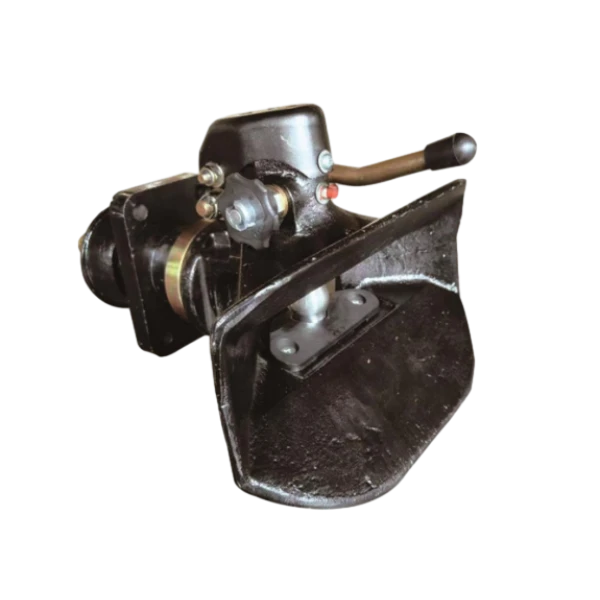 Trailer Coupling
The trailer coupling is a critical component in vehicle towing systems, designed to ensure a secure and efficient connection between a towing vehicle and a trailer. These couplings are manufactured using high-strength carbon steel, alloy steel, or stainless steel, ensuring durability and resistance to heavy loads and harsh environments.
-
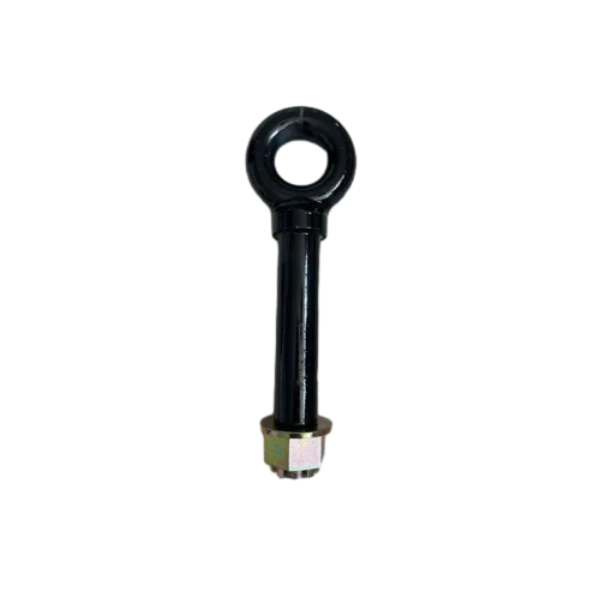 Drawbar Eyes
Drawbar eyes are essential components in towing and hauling applications, providing a strong and secure attachment point between the trailer and the towing vehicle. They are designed to endure extreme pulling forces, making them suitable for heavy-duty applications.
-
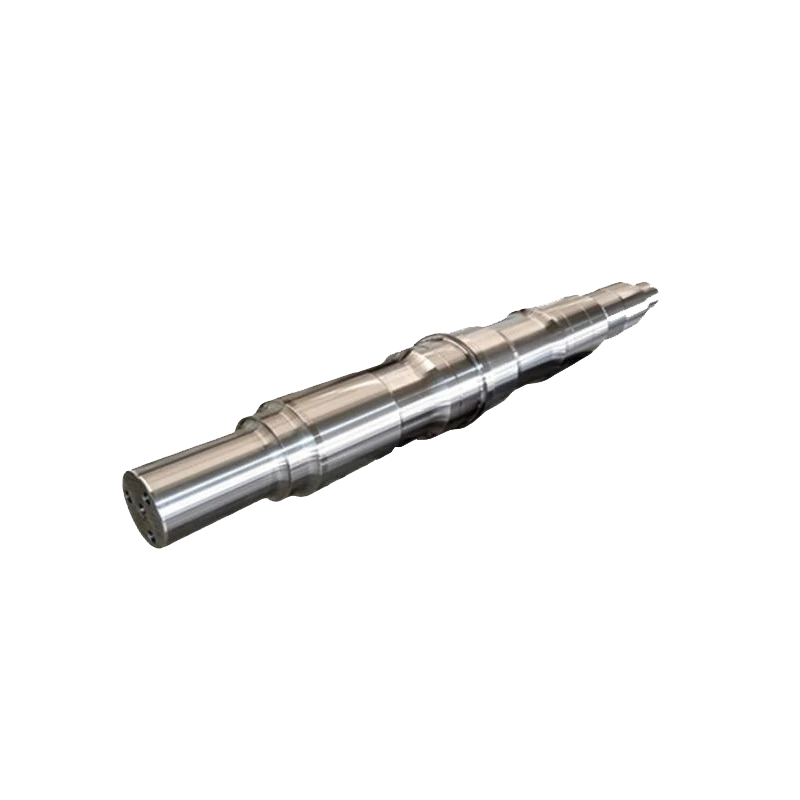 Axles
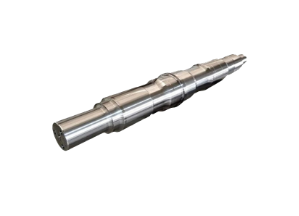
Axles are essential for vehicle load-bearing and power transmission, ensuring smooth movement and weight distribution. They must withstand high stress, torque, and impact, making material selection and precise manufacturing crucial.
-
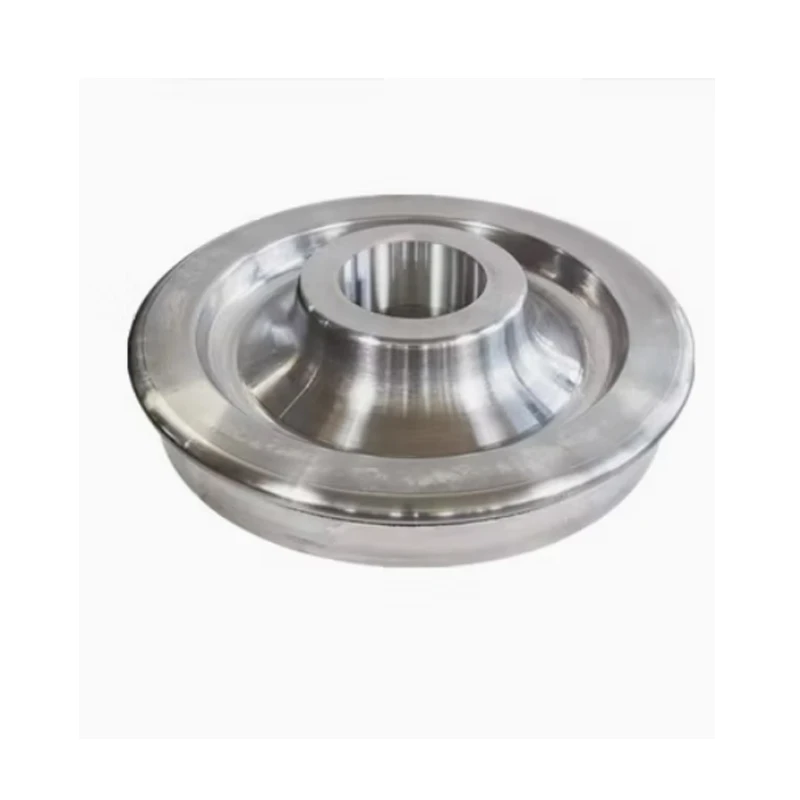 Profile S1002 Series Rail Wheels
The S1002 series rail wheels are designed for Rail-Road Vehicles (RRVs) that require seamless operation on both roads and railway tracks. Engineered with high precision and durability, these wheels conform to S1002 tread profiles, ensuring compatibility with standard railway systems.

Mine Cart Wheels: Comparing Two Alloy Steel Options for Track Fit
Compare two Mine Cart Wheels options by alloy steel materials, weight, diameter, narrow-gauge compatibility, and buyer fit for mining vehicles and carts.
>

Profile S1002 Series Rail Wheels FAQ: Specifications, Ordering and Support Questions
Get direct answers about Profile S1002 Series Rail Wheels — tread profile design, steel grades (42CrMo, 65Mn, 4140), diameter range (Φ300–1000 mm), gauge compatibility, AAR M-208 and UIC 812-3 compliance, and customization options for RRV applications.
>

Choosing Crane Wheels: Application Fit and Specification Checks
How to select crane wheels: check alloy steel grade, φ200–1200 mm diameter, 5–50 t load per wheel, bearing type, tread design and track width.
>

Ultimate Guide to RC Portal Axles for Better Ground Clearance
Mastering Off-Road Performance: The Ultimate Guide to RC Portal Axles For RC crawling enthusiasts and professional builders, achieving maximum ground clearance is the difference between conquering a trail and getting stuck. This is where rc portal axles come into play. Unlike standard straight axles, portal axles utilize a unique gear set at the wheel ends to lift the axle tube higher than the wheel center. This engineering marvel allows vehicles to traverse larger rocks and deeper obstacles without bottoming out. In this comprehensive guide, we will explore the technical advantages, design specifications, and maintenance tips for implementing high-performance portal systems
>

High Performance Portal Axles for Mining and Heavy Industry
The Ultimate Guide to High-Performance Portal Axles for Mining and Heavy Industry In the demanding world of heavy-duty machinery and off-road transport, the efficiency of the drivetrain is paramount. portal axles provide a revolutionary approach to vehicle architecture by raising the axle tube above the wheel center. This design not only increases ground clearance but also optimizes torque delivery for extreme terrains. Whether used in specialized mining vehicles or heavy industrial equipment, these components are engineered to withstand immense pressure and abrasive environments. In this guide, we explore the technical superiority and material science that make these axles indispensable for modern industrial operations.
>

High Performance niche axles for Specialized Heavy Duty Vehicles
The Ultimate Guide to High-Performance niche axles for Specialized Vehicles In the complex world of automotive manufacturing, the demand for precision-engineered components is higher than ever. niche axles serve as the backbone for specialized transportation, providing the necessary structural integrity and load-bearing capacity for non-standard vehicle applications. Whether it is for heavy-duty agricultural machinery, custom industrial trailers, or specialized logistics equipment, selecting the right axle system is critical to operational safety and longevity. This guide explores the technical nuances of these specialized components and how they optimize performance in demanding environments.
>

Professional Guide to Optimizing Hauling with Longfield Axles
Optimizing Heavy-Duty Hauling with Longfield Axles: A Professional Guide In the demanding world of automotive and industrial manufacturing, the integrity of a vehicles drivetrain is the foundation of operational efficiency. longfield axles have long been recognized as a gold standard for those requiring exceptional load-bearing capacity and durability. Whether applied in agricultural machinery, construction trailers, or specialized industrial vehicles, the right axle system ensures that heavy loads are transported safely without risking mechanical failure. This guide explores the technical advantages of high-performance axles and how they integrate with critical towing components to maximize fleet uptime and safety.
>

High Angle CV Axles Guide for Performance and Durability
High Angle CV Axles: The Ultimate Guide to Performance and Durability In the world of automotive engineering, particularly for lifted trucks and off-road vehicles, the drivetrain faces immense stress. One of the most critical components in this system is the constant velocity joint. When a vehicles suspension is raised, the angle at which the axle meets the differential increases, often leading to premature wear or failure in standard parts. This is where high angle cv axles become indispensable. By allowing for a greater range of motion without sacrificing torque delivery, these specialized components ensure that your vehicle remains reliable regardless of the terrain.
>
A Comprehensive Guide to Axles Types for Industry Decision Makers | Manufacturing Base
Axles Types is a key solution in the industry, specifically within heavy machinery and transportation sectors. This article explores how https://www.manufacturing-base.com supports professionals with durable, high-performance products
>
Engineered for Excellence
Our forged solutions deliver reliability and performance, powering demanding industries to keep operations running smoothly.

Sign up
for Newsletter
Subscribe to the weekly newsletter for all the latest updates


