- Tel: +86 311 82620404
- Cell: 86 -13739710551
- Email: sales@potentia.cn

Comprehensive Guide to Flanged Wheels Rail – Design, Applications & Innovations
Understanding Flanged Wheels Rail: The Backbone of Modern Rail Transport
In the vast and intricate network that powers global transportation, flanged wheels rail systems quietly play a pivotal role. Though often overlooked, these components are essential for safe and efficient rail operations worldwide — moving billions of tons of goods and millions of passengers daily. Understanding their design, application, and evolving impact reveals more than just steel and grooves; it’s a story about connectivity, sustainability, and innovation shaping our industries.
Why Flanged Wheels Rail Matter Globally
The United Nations’ Sustainable Development Goals place transport infrastructure as fundamental to economic growth and societal wellbeing. According to the International Rail Transport Committee, rail carries approximately 9 billion tons of freight annually and transports 20 billion passengers, making systems like flanged wheel rails indispensable.
Yet, the challenge remains: how do we maintain and innovate this backbone to meet new demands for speed, sustainability, and resilience — especially as industries and logistics become more complex?
Explore more about flanged wheels rail to dive into next-gen manufacturing techniques.What Exactly Are Flanged Wheels Rail?
In simple terms, flanged wheels are train wheels with a built-in lip or flange along the inner edge that grips the rails, keeping trains safely on track. The rail complements this by providing a precisely machined surface for the wheel to roll on. Together, this system ensures directional control, stability, and load distribution.
Think of it like your bike chain and sprocket system, but designed to carry hundreds of tons and travel hundreds of kilometers nonstop—only far more nuanced in engineering precision and material durability.
Key Components of Flanged Wheels Rail Systems
Durability and Material Strength
Modern rails and flanged wheels are forged mostly from high-strength steel alloys, often treated thermally to resist wear and tear. The goal? Withstand millions of wheel passes without failure. Durability directly influences maintenance downtime, and frankly, fewer repairs mean safer, more reliable journeys.
Precision Engineering
Small variations matter a lot. The flange depth, wheel profile, and rail head dimensions must match tightly to avoid derailments and excessive friction. Manufacturers rely on ISO standards like ISO 1005 to maintain these tolerances.
Cost Efficiency and Lifecycle
While initial investment in quality rails and wheels can be steep, the long-term payoff is in reduced replacement frequency and fuel savings due to smoother rolling resistance. Many operators say this balance becomes the difference between profitable routes and money sinks.
Adaptability to Terrain and Conditions
From icy northern tracks to dusty deserts, rails and wheels are engineered to perform in diverse climates. Special steel grades and coatings protect against corrosion and extreme temperatures, ensuring continuous operation.
Scalability and Compatibility
Another factor often missed is compatibility with existing track systems. Flanged wheels and rails must fit a dizzying variety of gauges and signaling systems, making standardization a powerful driver of scalability.
Mini Takeaway: The success of flanged wheels rail lies in marrying tough materials with exacting engineering standards — a quiet orchestration of durability, precision, and adaptability that guarantees performance across the globe.
Flanged Wheels Rail in Real-World Applications
Industries everywhere depend on these systems—transportation, mining, logistics, even disaster relief.
- Urban Mass Transit: Metro systems in cities like Tokyo and London use tailored flanged wheels and rails to support high-frequency, high-speed trains.
- Heavy Freight Lines: Rail corridors in North America and Europe carry coal, steel, and grains. The steel industry, for instance, relies heavily on flanged wheels rail to ensure heavy loads move safely.
- Remote and Challenging Terrains: Specialized railways in India’s mountainous Northeast or South Africa’s mining belt use reinforced rails to cope with rugged geography.
- Emergency and Humanitarian Efforts: Post-disaster transports benefit from reliable rail networks for delivering aid efficiently, especially when roads are compromised.
These examples represent only a slice, but clearly demonstrate the global footprint of flanged wheel technology.
The Long-Term Benefits of Flanged Wheels Rail Systems
Why do operators stick with these systems? Reliability tops the list — trains run on schedule when flanged wheels and rails perform as designed. This decreases risks, injuries, and infrastructure wear.
Environmentally, rails offer a lower carbon footprint per ton-kilometer compared to road transport. Efficient flanged wheel design reduces energy consumption, cutting emissions.
Financially, investments in quality rail systems pay off in lower repair costs and better vehicle lifespan.
Mini Takeaway: Flanged wheels rail aren’t just steel and metal; they’re central to a transport system that’s safe, sustainable, and cost-effective — protecting assets and passengers alike.
Product Specification Table: Typical Flanged Wheels Rail Components
| Component | Material | Standard/Grade | Typical Dimensions | Lifespan (Years) |
|---|---|---|---|---|
| Flanged Wheel | High-carbon Steel Alloy | ISO 1005-1 | Diameter: 840-920 mm; Flange depth: 23-30 mm | 15–20 |
| Rail Track | Manganese Steel / Carbon Steel | EN 13674-1 | Standard Profiles: UIC60 (60 kg/m) | 30–40 |
| Wheel Bearings | Steel & Composite | ISO 5787 | Variable Sizes matching wheels | 10–15 |
Vendor Comparison: Leading Flanged Wheels Rail Manufacturers
| Manufacturer | Country | Specialization | Innovation Highlights | Global Reach |
|---|---|---|---|---|
| Vossloh AG | Germany | Rail fastening & wheelsets | Noise reduction tech | Global, strong in Europe & Asia |
| Nippon Steel Corporation | Japan | High-strength rails & wheels | Advanced alloy steels | Asia-Pacific, expanding globally |
| Colas Rail | France | Rail infrastructure and maintenance | Smart wear-monitoring | Europe, Africa |
Looking Ahead: Innovations and Sustainability in Flanged Wheels Rail
We’re witnessing some interesting shifts—lighter alloys that maintain strength, coatings that self-heal microcracks, and AI-powered maintenance systems that predict wear before it becomes a problem.
Also, green energy integration — several rail companies incorporate solar and wind energy to power ancillary operations, reducing carbon footprints. Digital twins and IoT-enabled sensors on flanged wheels help monitor wheel-rail interactions in real time, preventing failures and optimizing maintenance cycles.
Honestly, it feels like the old steam engine days' spirit of innovation but with a much sharper, digital edge.
Challenges and How to Overcome Them in Modern Rail Systems
Of course, this field isn’t without hurdles. Cost constraints sometimes push operators toward cheaper, less durable options, risking safety. Then there’s the massive infrastructure upgrade needed for new technologies — a logistical nightmare in dense urban centers.
Experts recommend phased implementation of monitoring tools and enhanced training for maintenance crews. Collaborations across manufacturers, operators, and regulators can also streamline standards, decreasing compatibility issues.
FAQ: Frequently Asked Questions About Flanged Wheels Rail
- Q1: How often should flanged wheels and rails be inspected?
- A1: Generally, routine inspections occur every 6 to 12 months for high-usage tracks, with detailed assessments using ultrasonic and visual methods. Regular inspection minimizes derailment risks and extends service life.
- Q2: Can flanged wheels rail systems handle extreme weather?
- A2: Yes, specially designed steel alloys and protective coatings help these systems operate reliably in temperature extremes, from arctic chill to desert heat, with low corrosion rates.
- Q3: What are the main signs that flanged wheels or rails need replacement?
- A3: Key indicators include unusual wear patterns, flange thickness reduction below standards, cracks, and elevated noise or vibration levels during operation.
- Q4: Are there environmental benefits to upgrading flanged wheels rail systems?
- A4: Upgrades often lead to reduced friction, lower energy consumption, and less maintenance waste — all contributing to greener rail transport solutions.
Final Thoughts: Why Flanged Wheels Rail Will Keep Driving the Future
To sum it all up, flanged wheels rail systems are more than old steel on old steel; they’re keystones of a sustainable transport ecosystem. Their blend of durability, efficiency, and adaptability means industries worldwide can keep moving forward—literally and figuratively.
Curious to see how flanged wheels rail can enhance your operations? Feel free to explore specifications and vendors at Manufacturing Base — your gateway to smarter rail solutions.
References:
1. International Rail Transport Committee, Annual Rail Reports, 2023
2. ISO 1005 and EN 13674 Standards Documentation
3. United Nations, Sustainable Development Goals - Transport Infrastructure
1. International Rail Transport Committee, Annual Rail Reports, 2023
2. ISO 1005 and EN 13674 Standards Documentation
3. United Nations, Sustainable Development Goals - Transport Infrastructure
-
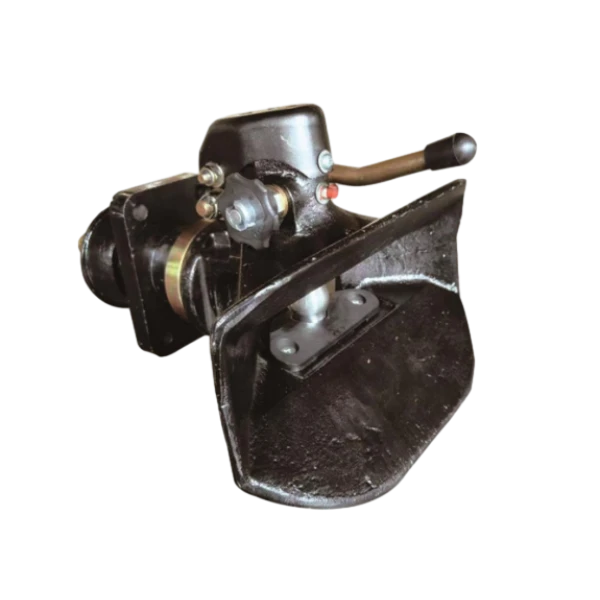 Trailer Coupling
The trailer coupling is a critical component in vehicle towing systems, designed to ensure a secure and efficient connection between a towing vehicle and a trailer. These couplings are manufactured using high-strength carbon steel, alloy steel, or stainless steel, ensuring durability and resistance to heavy loads and harsh environments.
-
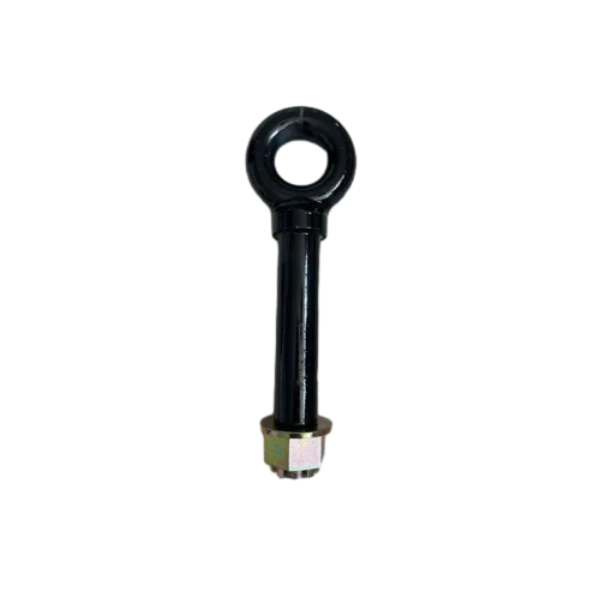 Drawbar Eyes
Drawbar eyes are essential components in towing and hauling applications, providing a strong and secure attachment point between the trailer and the towing vehicle. They are designed to endure extreme pulling forces, making them suitable for heavy-duty applications.
-
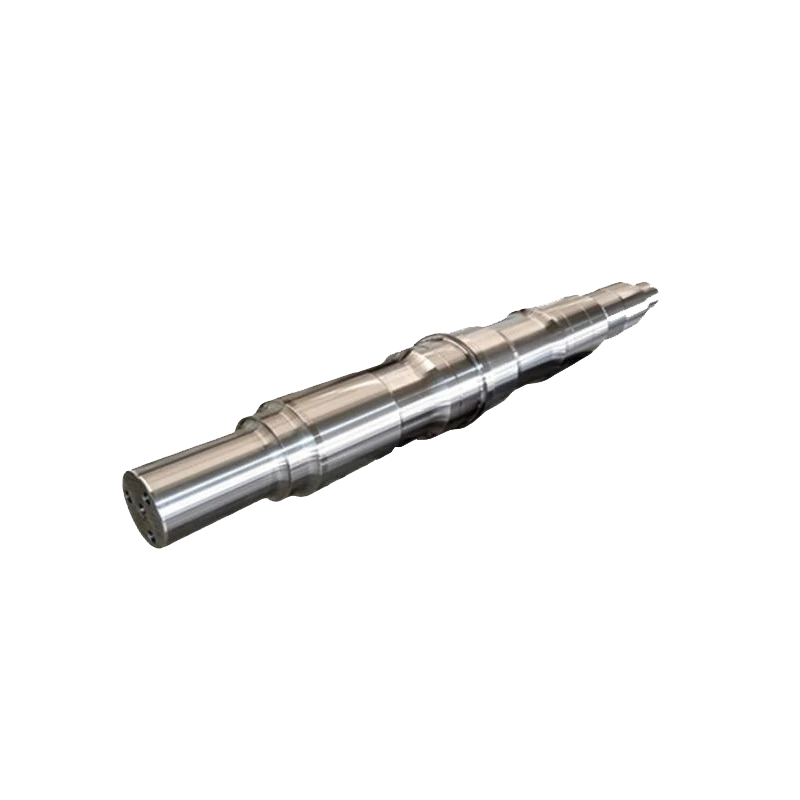 Axles
Axles are essential for vehicle load-bearing and power transmission, ensuring smooth movement and weight distribution. They must withstand high stress, torque, and impact, making material selection and precise manufacturing crucial.
-
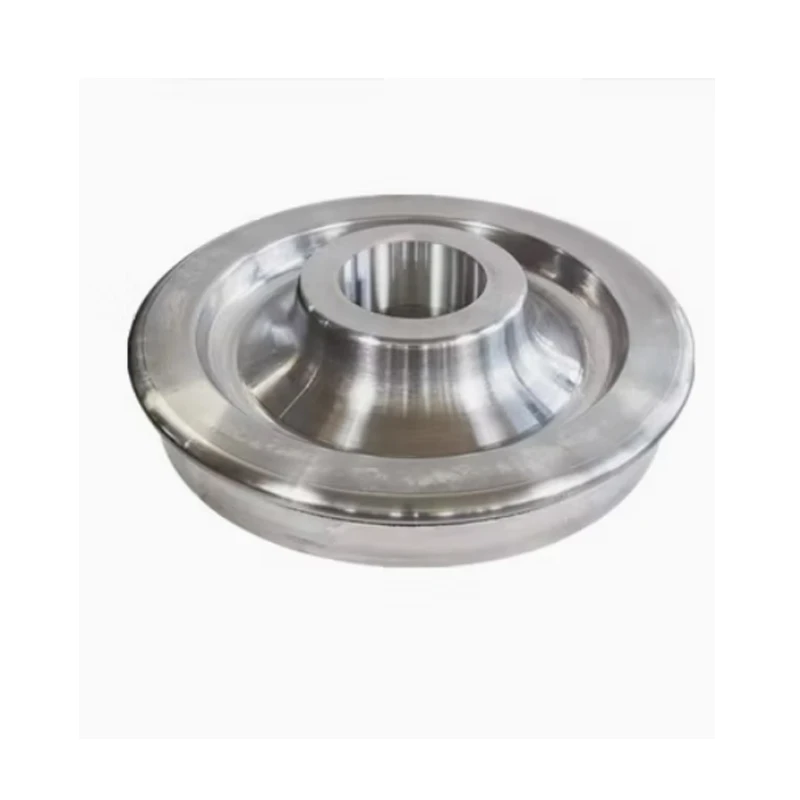 Profile S1002 Series Rail Wheels
The S1002 series rail wheels are designed for Rail-Road Vehicles (RRVs) that require seamless operation on both roads and railway tracks. Engineered with high precision and durability, these wheels conform to S1002 tread profiles, ensuring compatibility with standard railway systems.

Ultimate Guide to RC Portal Axles for Better Ground Clearance
Mastering Off-Road Performance: The Ultimate Guide to RC Portal Axles For RC crawling enthusiasts and professional builders, achieving maximum ground clearance is the difference between conquering a trail and getting stuck. This is where rc portal axles come into play. Unlike standard straight axles, portal axles utilize a unique gear set at the wheel ends to lift the axle tube higher than the wheel center. This engineering marvel allows vehicles to traverse larger rocks and deeper obstacles without bottoming out. In this comprehensive guide, we will explore the technical advantages, design specifications, and maintenance tips for implementing high-performance portal systems
>

High Performance Portal Axles for Mining and Heavy Industry
The Ultimate Guide to High-Performance Portal Axles for Mining and Heavy Industry In the demanding world of heavy-duty machinery and off-road transport, the efficiency of the drivetrain is paramount. portal axles provide a revolutionary approach to vehicle architecture by raising the axle tube above the wheel center. This design not only increases ground clearance but also optimizes torque delivery for extreme terrains. Whether used in specialized mining vehicles or heavy industrial equipment, these components are engineered to withstand immense pressure and abrasive environments. In this guide, we explore the technical superiority and material science that make these axles indispensable for modern industrial operations.
>

High Performance niche axles for Specialized Heavy Duty Vehicles
The Ultimate Guide to High-Performance niche axles for Specialized Vehicles In the complex world of automotive manufacturing, the demand for precision-engineered components is higher than ever. niche axles serve as the backbone for specialized transportation, providing the necessary structural integrity and load-bearing capacity for non-standard vehicle applications. Whether it is for heavy-duty agricultural machinery, custom industrial trailers, or specialized logistics equipment, selecting the right axle system is critical to operational safety and longevity. This guide explores the technical nuances of these specialized components and how they optimize performance in demanding environments.
>

Professional Guide to Optimizing Hauling with Longfield Axles
Optimizing Heavy-Duty Hauling with Longfield Axles: A Professional Guide In the demanding world of automotive and industrial manufacturing, the integrity of a vehicles drivetrain is the foundation of operational efficiency. longfield axles have long been recognized as a gold standard for those requiring exceptional load-bearing capacity and durability. Whether applied in agricultural machinery, construction trailers, or specialized industrial vehicles, the right axle system ensures that heavy loads are transported safely without risking mechanical failure. This guide explores the technical advantages of high-performance axles and how they integrate with critical towing components to maximize fleet uptime and safety.
>

High Angle CV Axles Guide for Performance and Durability
High Angle CV Axles: The Ultimate Guide to Performance and Durability In the world of automotive engineering, particularly for lifted trucks and off-road vehicles, the drivetrain faces immense stress. One of the most critical components in this system is the constant velocity joint. When a vehicles suspension is raised, the angle at which the axle meets the differential increases, often leading to premature wear or failure in standard parts. This is where high angle cv axles become indispensable. By allowing for a greater range of motion without sacrificing torque delivery, these specialized components ensure that your vehicle remains reliable regardless of the terrain.
>
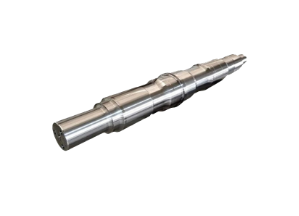
A Comprehensive Guide to Axles Types for Industry Decision Makers | Manufacturing Base
Axles Types is a key solution in the industry, specifically within heavy machinery and transportation sectors. This article explores how https://www.manufacturing-base.com supports professionals with durable, high-performance products
>
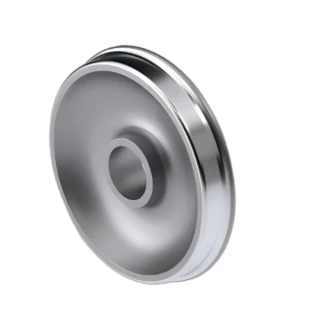
Reliable Rail Wheels: Optimize Your Rail Transport Solutions
For industries that rely on rail-based vehicles, choosing the right rail wheels is essential for smooth operations and safety.
>
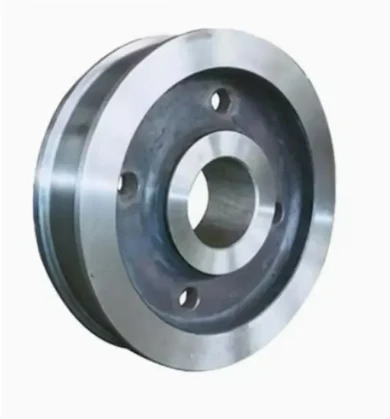
Premium Overhead Crane Wheels For Sale: Enhance Industrial Lifting Efficiency
In modern industrial operations, high-quality overhead crane wheels for sale are essential for safe, reliable, and efficient lifting.
>
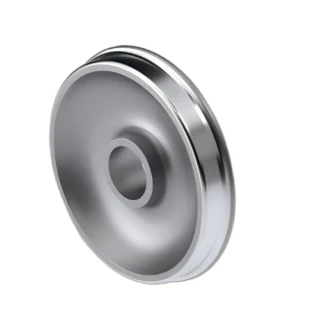
Premium Hi Rail Wheels For Sale: Boost Rail Vehicle Performance
In the modern industrial and railway sectors, having reliable hi rail wheels for sale is essential for operational efficiency and safety.
>
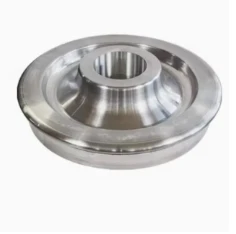
High-Quality Hi Rail Wheels For Sale: Enhance Your Rail Equipment Efficiency
When it comes to reliable rail maintenance and industrial operations, investing in hi rail wheels for sale is crucial.
>
Engineered for Excellence
Our forged solutions deliver reliability and performance, powering demanding industries to keep operations running smoothly.

Sign up
for Newsletter
Subscribe to the weekly newsletter for all the latest updates