- Tel: +86 311 82620404
- Cell: 86 -13739710551
- Email: sales@potentia.cn

Crane Wheels Supplier: Durability, Customization & Global Industrial Impact
Why Crane Wheels Supplier Matters in Today’s Industry
If you’ve ever watched a large crane move heavy loads effortlessly across industrial sites, odds are the crane wheels beneath are the unsung heroes of the show. These wheels don’t just roll; they carry the weight of entire projects, factories, even communities. The role of a trusted crane wheels supplier becomes pivotal here — it’s not merely about putting a wheel under a machine but ensuring engineering precision, durability, and safety on a global scale.
Globally, crane operations power billions in goods movement and infrastructure. According to the International Crane Foundation, the worldwide market for cranes is expected to grow steadily at 6% annually through 2028, driven by expanding construction, port logistics, and manufacturing sectors. A reliable crane wheels supplier boosts uptime, prevents catastrophic failures, and — frankly — saves money and headaches.
Mini takeaway: Understanding who makes your crane wheels and what goes into them directly impacts safety, efficiency, and ongoing industrial progress.
The Global Context: More Than Just Moving Loads
Cranes operate in harsh conditions — from the dockyards of Singapore to the mining sites in Australia, and increasingly in humanitarian efforts after natural disasters. The United Nations’ industrial development reports highlight that sustainable shipping and cargo handling in ports is a key factor in global supply chain resilience. The humble wheels on those cranes might not get a UN mention, but trust me, their quality is just as critical.
Challenges abound: uneven terrain, heavy and repetitive loads, exposure to weather, and demand for minimal downtime. Suppliers must innovate constantly, integrating new materials and manufacturing approaches to meet these demands. A crane wheels supplier is therefore not a mere vendor but a strategic partner in resilience and operational success.
What Exactly Is a Crane Wheels Supplier?
At its simplest, a crane wheels supplier provides the wheels and associated parts designed specifically for cranes. Unlike regular wheels, these must be engineered to handle enormous loads (think tonnes at a time), resist wear from constant industrial environments, and fit precise specifications tailored to each crane model.
These suppliers often work closely with OEMs (original equipment manufacturers) or end-users to customize wheels for different crane types — gantry, overhead, mobile, or tower cranes. The connection to modern industry is clear: a crane wheel supplier enables heavy lifting tasks that literally build cities and deliver aid, sometimes even saving lives.
Core Components That Make Crane Wheels Exceptional
1. Durability & Materials
The wheels must be made from high-grade steel alloys, often heat-treated to withstand cracking and deformation. Some suppliers experiment with composite materials or polyurethane coatings to reduce noise or increase grip. Durability is king here — wheels that need replacing too often translate into costly downtime.
2. Precision Engineering
Tolerances have to be tight. Even minor inconsistencies can lead to uneven wear or mechanical failure over time. Many suppliers employ CNC machining and rigorous quality controls, including ultrasonic and magnetic testing, to ensure each wheel meets spec.
3. Load Capacity
Every wheel is rated for specific load capacities — which depends on size, core material, and construction. Selecting the right supplier who understands your crane's load profile is absolutely vital.
4. Customization and Scalability
Industries rarely use off-the-shelf crane wheels exclusively. Instead, they often demand custom diameters, flanges, and tread profiles. A crane wheels supplier who offers scalable, customized solutions typically stands out in competitive markets.
5. Compatibility and Standards Compliance
Global crane operations must comply with strict ISO standards and often national safety codes. Suppliers are expected to provide documentation and testing certification. This builds trust and ensures liability coverage over the lifespan of the equipment.
Mini takeaway:
From materials to measurements, choosing the right crane wheels supplier is as intricate as the cranes themselves. Trustworthiness is built on engineering, experimentation, and endless attention to detail.
Where & How Crane Wheels Suppliers Make a Real Difference
In real-world terms, you’ll find crane wheels everywhere — massive container ports in Rotterdam, expansive steel factories in China, and increasingly in quick-deploy cranes used for rebuilding after disasters. Oddly enough, even in remote industrial zones (think Siberia or the Amazon basin), crane wheels must perform consistently despite challenging weather or terrain.
Take the example of a post-tsunami port rebuilding project in Southeast Asia. The crane wheels supplied there had to be corrosion-resistant and ready to handle heavy saltwater exposure. The supplier’s ability to customize materials and ship replacements quickly was crucial to restarting shipping operations within weeks.
This also applies to urban construction projects in Europe, where city regulations require low noise emissions, pushing suppliers to develop polyurethane-coated options to reduce sound without compromising load capacity.
Product Specification Table: Typical Crane Wheels Metrics
| Specification | Typical Range | Notes |
|---|---|---|
| Diameter | 200 mm – 900 mm | Size varies by crane model |
| Material | Heat-treated steel alloy (e.g., AISI 4140) | Durability focus |
| Load capacity | Up to 30 tons per wheel | Depends on size/material |
| Surface treatment | Polyurethane coating (optional) | Noise reduction |
| Tolerance | ±0.05 mm | Precision machining |
Comparing Top Crane Wheels Suppliers in the Market
| Supplier | Customization | Lead Time | Price Range | Certifications |
|---|---|---|---|---|
| SteeleWheels Inc. | High (custom alloys & coatings) | 4-6 weeks | $$$ | ISO 9001, ASTM |
| Global Crane Wheels | Medium (standard sizes) | 2-3 weeks | $$ | ISO 9001 |
| EastLine Technologies | Low (stock products) | 1 week | $ | CE Certified |
The Advantages of Choosing the Right Crane Wheels Supplier
- Cost Efficiency: Durable wheels reduce replacement costs and unexpected downtimes.
- Safety and Reliability: Well-engineered wheels minimize mechanical failures and accidents.
- Sustainability: Suppliers adopting eco-friendly materials reduce environmental impact.
- Social Impact: In disaster zones, dependable crane wheels help deliver humanitarian aid faster.
Many engineers swear by suppliers who combine technical rigor with quick service — trust feels earned and priceless in a field where one broken wheel delays entire projects.
What’s Next? Future Trends In Crane Wheels Supply
The future feels quite exciting here. Research in high-strength nano-materials and smart sensors embedded in wheels is already underway. Imagine a wheel that tells you when it’s time for maintenance, or that adapts grip in real time based on load and weather conditions. Green manufacturing processes are also taking center stage — less energy, less waste.
Automation in manufacturing is improving lead times and precision, allowing suppliers to offer bespoke solutions faster. And with digital twin technology growing, suppliers and users can predict wear patterns more accurately, optimizing wheel usage and replacement schedules.
Common Challenges and Insightful Solutions
Frankly, logistics and materials availability sometimes create bottlenecks, especially for custom orders. Lead times can stretch unexpectedly. Also, some suppliers struggle balancing cost pressures with innovation.
One approach that seems to be working is building stronger local supply chains to reduce shipping delays. Others invest heavily in R&D to develop modular designs that roll out faster and with fewer custom parts — a delicate balancing act.
FAQ About Crane Wheels Supplier
-
What factors should I consider when choosing crane wheels?
Look at load capacity, durability, material quality, certifications, and supplier’s customization ability. It needs to match your crane’s intended use and environment. -
How often do crane wheels need replacement?
Typically, crane wheels last 3-7 years depending on workload and conditions. Regular inspection and preventive maintenance are key. -
Can crane wheels be customized for unique environments?
Absolutely. Many crane wheels suppliers offer custom diameters, materials, and coatings — ideal for corrosive or noisy settings. -
Are there international standards for crane wheels?
Yes. ISO 4301 and ASTM standards govern wheel manufacturing and testing, ensuring safety and durability globally. -
How quickly can I get replacement wheels in an emergency?
It depends on your supplier. Some offer expedited services within a week; others may take longer, especially for custom parts.
Wrapping It Up: The Long-Term Value of a Reliable Crane Wheels Supplier
So, in the end, the story of crane wheels supplier is one of innovation meeting necessity. These wheels keep the world’s heavy industries moving, literally and figuratively. Choosing wisely doesn’t just mean picking a product, but forging a partnership — for safety, efficiency, and peace of mind.
Don’t just settle for any supplier. If you want solid expertise combined with customization and a proven track record, check out our recommended crane wheels supplier list here. You might find exactly what your project needs (and then some).
Mini takeaway: Reliable crane wheels aren’t just components — they’re the foundation of progress in countless industries worldwide.
References
-
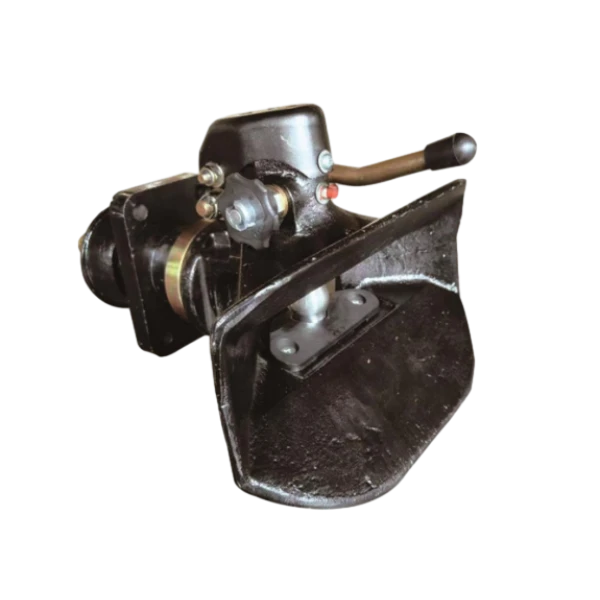 Trailer Coupling
The trailer coupling is a critical component in vehicle towing systems, designed to ensure a secure and efficient connection between a towing vehicle and a trailer. These couplings are manufactured using high-strength carbon steel, alloy steel, or stainless steel, ensuring durability and resistance to heavy loads and harsh environments.
-
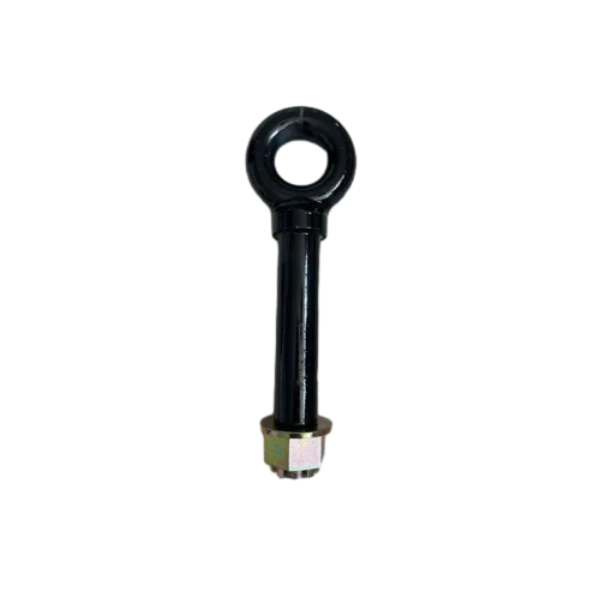 Drawbar Eyes
Drawbar eyes are essential components in towing and hauling applications, providing a strong and secure attachment point between the trailer and the towing vehicle. They are designed to endure extreme pulling forces, making them suitable for heavy-duty applications.
-
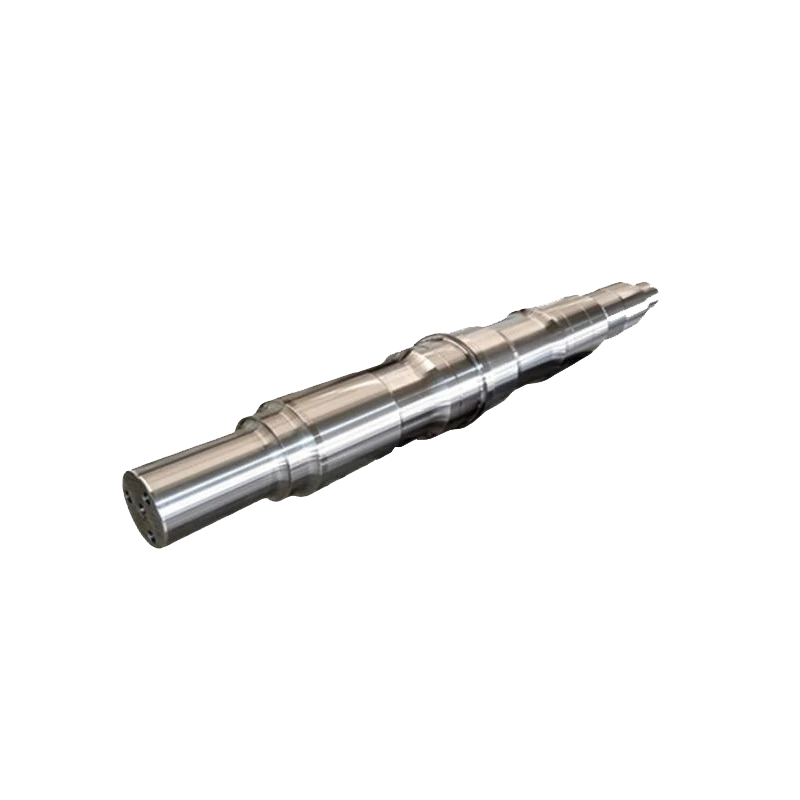 Axles
Axles are essential for vehicle load-bearing and power transmission, ensuring smooth movement and weight distribution. They must withstand high stress, torque, and impact, making material selection and precise manufacturing crucial.
-
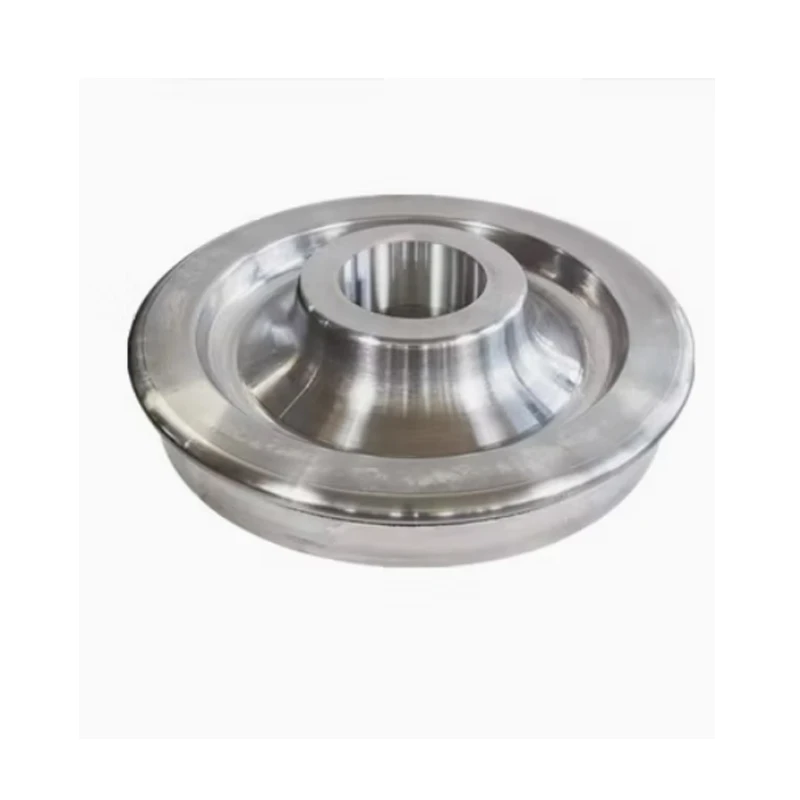 Profile S1002 Series Rail Wheels
The S1002 series rail wheels are designed for Rail-Road Vehicles (RRVs) that require seamless operation on both roads and railway tracks. Engineered with high precision and durability, these wheels conform to S1002 tread profiles, ensuring compatibility with standard railway systems.

Ultimate Guide to RC Portal Axles for Better Ground Clearance
Mastering Off-Road Performance: The Ultimate Guide to RC Portal Axles For RC crawling enthusiasts and professional builders, achieving maximum ground clearance is the difference between conquering a trail and getting stuck. This is where rc portal axles come into play. Unlike standard straight axles, portal axles utilize a unique gear set at the wheel ends to lift the axle tube higher than the wheel center. This engineering marvel allows vehicles to traverse larger rocks and deeper obstacles without bottoming out. In this comprehensive guide, we will explore the technical advantages, design specifications, and maintenance tips for implementing high-performance portal systems
>

High Performance Portal Axles for Mining and Heavy Industry
The Ultimate Guide to High-Performance Portal Axles for Mining and Heavy Industry In the demanding world of heavy-duty machinery and off-road transport, the efficiency of the drivetrain is paramount. portal axles provide a revolutionary approach to vehicle architecture by raising the axle tube above the wheel center. This design not only increases ground clearance but also optimizes torque delivery for extreme terrains. Whether used in specialized mining vehicles or heavy industrial equipment, these components are engineered to withstand immense pressure and abrasive environments. In this guide, we explore the technical superiority and material science that make these axles indispensable for modern industrial operations.
>

High Performance niche axles for Specialized Heavy Duty Vehicles
The Ultimate Guide to High-Performance niche axles for Specialized Vehicles In the complex world of automotive manufacturing, the demand for precision-engineered components is higher than ever. niche axles serve as the backbone for specialized transportation, providing the necessary structural integrity and load-bearing capacity for non-standard vehicle applications. Whether it is for heavy-duty agricultural machinery, custom industrial trailers, or specialized logistics equipment, selecting the right axle system is critical to operational safety and longevity. This guide explores the technical nuances of these specialized components and how they optimize performance in demanding environments.
>

Professional Guide to Optimizing Hauling with Longfield Axles
Optimizing Heavy-Duty Hauling with Longfield Axles: A Professional Guide In the demanding world of automotive and industrial manufacturing, the integrity of a vehicles drivetrain is the foundation of operational efficiency. longfield axles have long been recognized as a gold standard for those requiring exceptional load-bearing capacity and durability. Whether applied in agricultural machinery, construction trailers, or specialized industrial vehicles, the right axle system ensures that heavy loads are transported safely without risking mechanical failure. This guide explores the technical advantages of high-performance axles and how they integrate with critical towing components to maximize fleet uptime and safety.
>

High Angle CV Axles Guide for Performance and Durability
High Angle CV Axles: The Ultimate Guide to Performance and Durability In the world of automotive engineering, particularly for lifted trucks and off-road vehicles, the drivetrain faces immense stress. One of the most critical components in this system is the constant velocity joint. When a vehicles suspension is raised, the angle at which the axle meets the differential increases, often leading to premature wear or failure in standard parts. This is where high angle cv axles become indispensable. By allowing for a greater range of motion without sacrificing torque delivery, these specialized components ensure that your vehicle remains reliable regardless of the terrain.
>
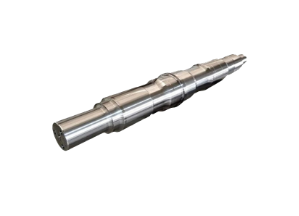
A Comprehensive Guide to Axles Types for Industry Decision Makers | Manufacturing Base
Axles Types is a key solution in the industry, specifically within heavy machinery and transportation sectors. This article explores how https://www.manufacturing-base.com supports professionals with durable, high-performance products
>
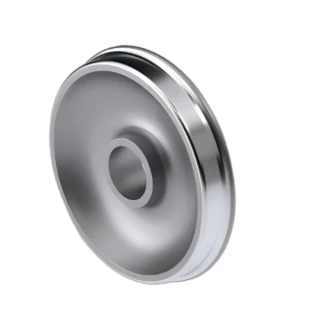
Reliable Rail Wheels: Optimize Your Rail Transport Solutions
For industries that rely on rail-based vehicles, choosing the right rail wheels is essential for smooth operations and safety.
>
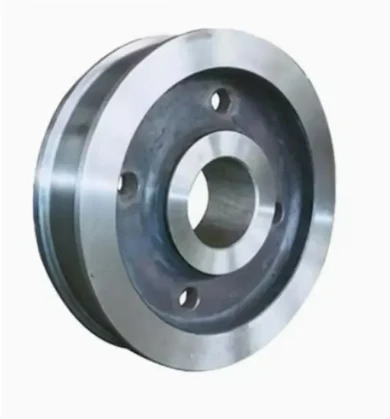
Premium Overhead Crane Wheels For Sale: Enhance Industrial Lifting Efficiency
In modern industrial operations, high-quality overhead crane wheels for sale are essential for safe, reliable, and efficient lifting.
>
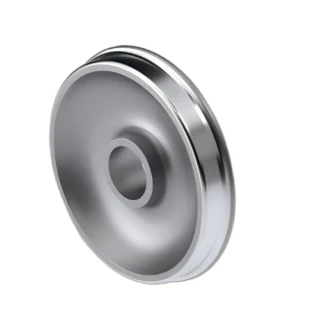
Premium Hi Rail Wheels For Sale: Boost Rail Vehicle Performance
In the modern industrial and railway sectors, having reliable hi rail wheels for sale is essential for operational efficiency and safety.
>
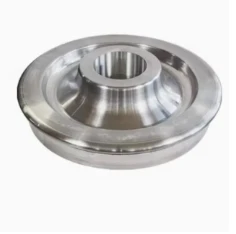
High-Quality Hi Rail Wheels For Sale: Enhance Your Rail Equipment Efficiency
When it comes to reliable rail maintenance and industrial operations, investing in hi rail wheels for sale is crucial.
>
Engineered for Excellence
Our forged solutions deliver reliability and performance, powering demanding industries to keep operations running smoothly.

Sign up
for Newsletter
Subscribe to the weekly newsletter for all the latest updates