- Tel: +86 311 82620404
- Cell: 86 -13739710551
- Email: sales@potentia.cn

Reliable Solutions from Leading Crane Wheel and Rail Wheel Manufacturers
In the demanding sectors of material handling, logistics, steel production, and rail transport, the strength, durability, and precision of wheel systems play a critical role. Whether for overhead cranes navigating gantry tracks or for locomotives bearing the weight of industrial transport, wheels must be forged to exacting standards to endure harsh environments and continuous mechanical stress. Top-tier crane wheel manufacturers and rail wheels manufacturers offer specialized solutions built around quality control, material integrity, and compliance with international standards. In today’s competitive industrial landscape, choosing a trusted supplier is more than a procurement decision—it's a performance guarantee.

Crane Wheel Manufacturer: Supporting Heavy Lifting with Superior Engineering
A leading crane wheel manufacturer provides forged or cast steel wheels specifically engineered for cranes operating in challenging environments such as shipyards, steel mills, and construction sites. These wheels must support not only high static loads but also dynamic forces such as torsion and braking friction. Their precision is critical to ensure smooth movement along gantry tracks, reduced wear on rails, and improved crane lifespan.
Manufacturers employ computer-aided design (CAD) and finite element analysis (FEA) during the wheel development process to simulate stress points and optimize load distribution. Each wheel undergoes precise heat treatment for improved hardness and fatigue resistance, and machining processes ensure tight dimensional tolerances for perfect axle fitting and alignment. The best crane wheel manufacturers also provide wheels with induction-hardened treads and flanges, extending service life in high-frequency operation settings.
Production systems rooted in 6S and Lean Manufacturing philosophies not only enhance workflow efficiency but also minimize defects and ensure continuous improvement. Furthermore, advanced ERP integration allows real-time order tracking and inventory management, giving clients full visibility into production timelines and quality checkpoints.
Rail Wheels Manufacturers: High-Performance Mobility for Freight and Industry
Rail wheels manufacturers serve a crucial role in keeping global rail systems and industrial tracks moving. Their products are used not only in public transportation but also in mining, steel plants, and logistics hubs where locomotives, wagons, or trolleys run on in-plant rails. Forged rail wheels are engineered to withstand high-speed rotation, vibration, and temperature variations while maintaining perfect concentricity and balance.
The manufacturing process begins with high-grade alloy steel, which is rigorously analyzed in in-house laboratories. Smelting, forging, and rolling processes are closely monitored to ensure grain refinement and consistent metallurgical structure. Following initial forming, precision machining, ultrasonic flaw detection, and hardness testing confirm each wheel’s conformity to global standards such as AAR, UIC, and DIN.
In addition to standard railway wheels, many rail wheels manufacturers offer customized solutions for light rail vehicles, metro systems, or specialty industrial wagons. Designs may include double flange profiles, hollow wheels for weight reduction, or thermally treated treads for high-wear zones. Full product traceability is a key hallmark of top-tier manufacturers, providing clients with confidence in long-term safety and regulatory compliance.
Rail Wheels Suppliers: Global Sourcing and Quality Assurance
As global infrastructure projects continue to expand, so does the demand for reliable rail wheels suppliers that can meet tight project schedules and quality requirements. Suppliers act as critical links between manufacturers and end users, offering diversified inventory, logistical support, and aftermarket services. They maintain a steady stock of standard wheel sizes and can coordinate with OEMs for special orders.
A reputable supplier doesn’t merely deliver a product—it ensures documentation, conformity to standards, and inspection certificates are included with every shipment. Close relationships with both domestic and international rail wheels manufacturers enable suppliers to bridge supply gaps quickly and cost-effectively. Many suppliers also offer consulting services on wheel selection, axle compatibility, and rail interaction to minimize field failures and improve operating efficiency.
Integration with OA and ERP platforms enables rail wheels suppliers to offer transparent delivery schedules, trackable inventory, and performance analytics. This digital coordination helps industrial clients streamline procurement while ensuring they never run out of critical spares during active project phases.
Crane Wheel Manufacturers: A Focus on Testing, Certification, and Aftermarket Support
Today’s crane wheel manufacturers emphasize not just production but total lifecycle support. This includes in-house material testing and chemical analysis of every steel batch, dimensional inspection with calibrated instruments, and non-destructive testing (NDT) to detect surface or internal defects. All this is aimed at achieving 100% compliance with client specifications and international benchmarks.
Advanced CNC machining centers are used to ensure surface roundness, tight tolerances, and defect-free finishes. Aftermarket services often include wheel re-profiling, resurfacing, hardness rechecking, and customized flange repairs. For industries where downtime equals lost revenue, partnering with a crane wheel manufacturer who offers fast-response technical service and spare parts availability is essential.
Quality-oriented manufacturers also maintain digital records of every wheel's origin, heat number, and testing history—enabling complete traceability for audits, certifications, or root cause analysis in the event of operational issues. These practices ensure the wheels are not only built to last but supported throughout their operational lifespan.
crane wheel manufacturer FAQs
What are the most common materials used by crane wheel manufacturers?
Crane wheel manufacturers typically use high-strength alloy steel, such as 42CrMo or 50Mn, known for their load-bearing capacity and wear resistance. These materials undergo quenching and tempering processes to achieve the hardness and toughness necessary for demanding industrial environments. Some wheels may also feature induction-hardened treads or flanges for increased longevity.
How do manufacturers ensure the precision and safety of rail wheels?
Rail wheels manufacturers implement multiple quality assurance steps, including ultrasonic testing, hardness verification, and dynamic balancing. These wheels are CNC-machined to exact tolerances, and dimensional inspections are conducted with calibrated instruments. Compliance with international standards such as AAR, UIC, and ISO ensures that every wheel performs reliably under operational stress.
What role do ERP systems play in wheel manufacturing?
ERP (Enterprise Resource Planning) systems allow crane wheel manufacturers and rail wheels suppliers to manage production schedules, inventory, material traceability, and customer orders in real time. This digital infrastructure ensures accurate documentation, on-time delivery, and full transparency across the supply chain, significantly improving customer satisfaction and operational efficiency.
Can rail wheels suppliers offer customized solutions for industrial tracks?
Yes, experienced rail wheels suppliers work closely with manufacturers to provide customized wheels for specific applications, such as metro systems, mining carts, or steel mill transfer cars. They can offer wheels with different flanges, bore sizes, and tread profiles, often with the option for thermal treatment or coatings for extreme operating environments.
What certifications should a crane wheel manufacturer provide?
A reliable crane wheel manufacturer should provide material certificates, hardness test results, ultrasonic inspection reports, and conformity declarations aligned with international standards. Certifications such as ISO 9001 for quality management and third-party inspection reports ensure that the wheels meet rigorous operational and safety requirements.
-
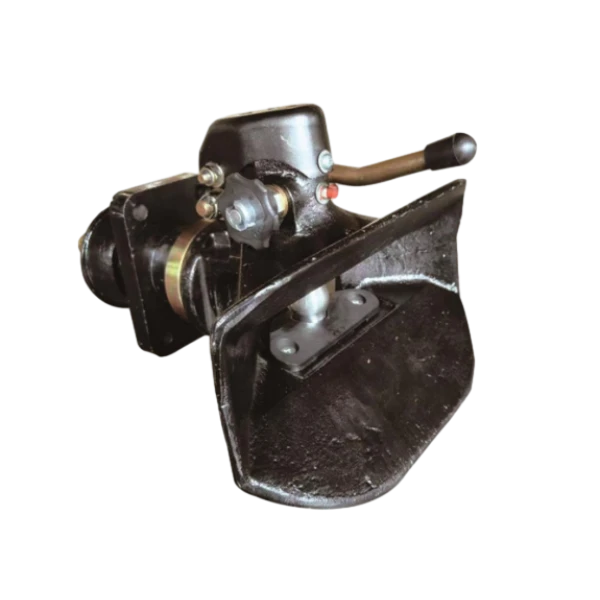 Trailer Coupling
The trailer coupling is a critical component in vehicle towing systems, designed to ensure a secure and efficient connection between a towing vehicle and a trailer. These couplings are manufactured using high-strength carbon steel, alloy steel, or stainless steel, ensuring durability and resistance to heavy loads and harsh environments.
-
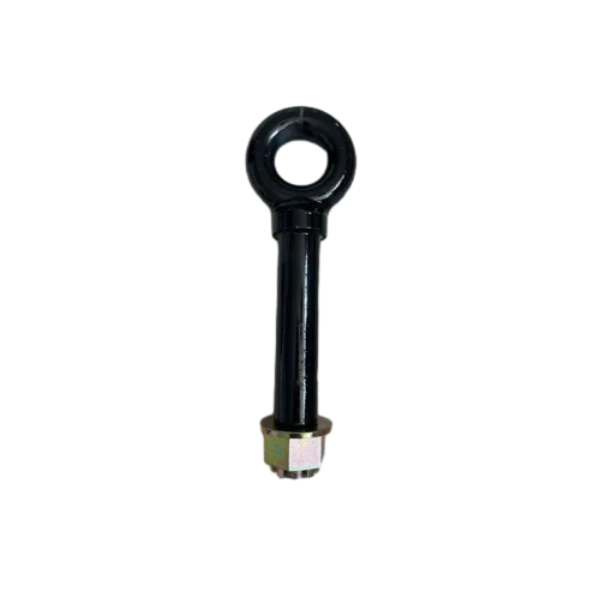 Drawbar Eyes
Drawbar eyes are essential components in towing and hauling applications, providing a strong and secure attachment point between the trailer and the towing vehicle. They are designed to endure extreme pulling forces, making them suitable for heavy-duty applications.
-
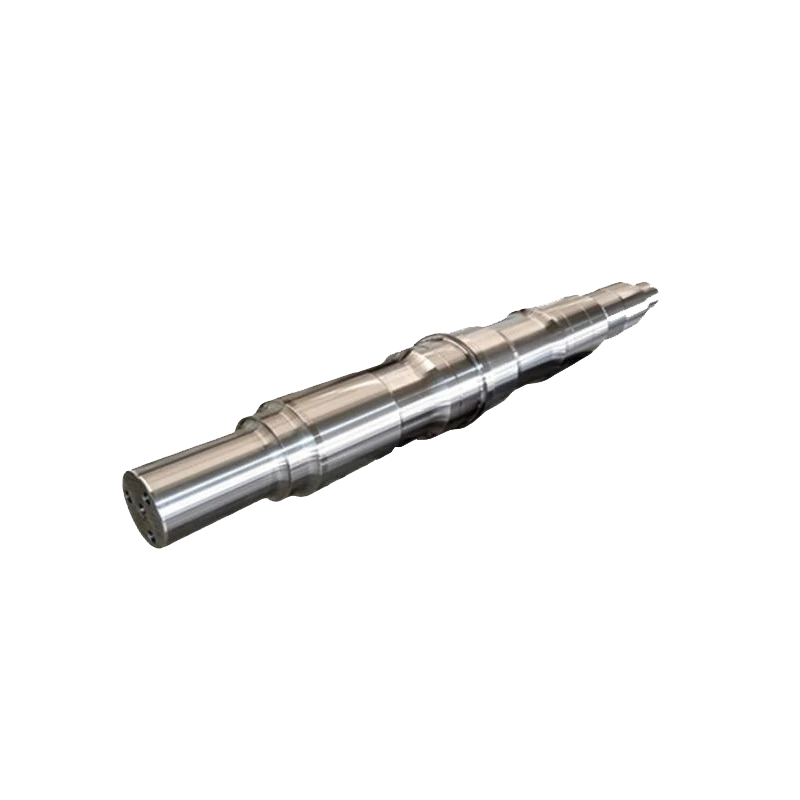 Axles
Axles are essential for vehicle load-bearing and power transmission, ensuring smooth movement and weight distribution. They must withstand high stress, torque, and impact, making material selection and precise manufacturing crucial.
-
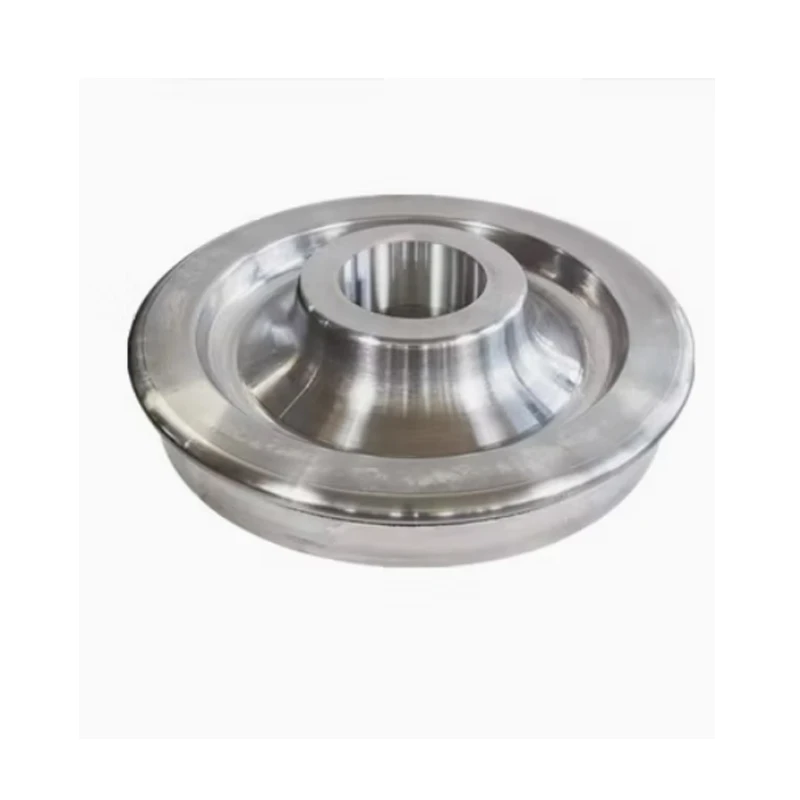 Profile S1002 Series Rail Wheels
The S1002 series rail wheels are designed for Rail-Road Vehicles (RRVs) that require seamless operation on both roads and railway tracks. Engineered with high precision and durability, these wheels conform to S1002 tread profiles, ensuring compatibility with standard railway systems.

Ultimate Guide to RC Portal Axles for Better Ground Clearance
Mastering Off-Road Performance: The Ultimate Guide to RC Portal Axles For RC crawling enthusiasts and professional builders, achieving maximum ground clearance is the difference between conquering a trail and getting stuck. This is where rc portal axles come into play. Unlike standard straight axles, portal axles utilize a unique gear set at the wheel ends to lift the axle tube higher than the wheel center. This engineering marvel allows vehicles to traverse larger rocks and deeper obstacles without bottoming out. In this comprehensive guide, we will explore the technical advantages, design specifications, and maintenance tips for implementing high-performance portal systems
>

High Performance Portal Axles for Mining and Heavy Industry
The Ultimate Guide to High-Performance Portal Axles for Mining and Heavy Industry In the demanding world of heavy-duty machinery and off-road transport, the efficiency of the drivetrain is paramount. portal axles provide a revolutionary approach to vehicle architecture by raising the axle tube above the wheel center. This design not only increases ground clearance but also optimizes torque delivery for extreme terrains. Whether used in specialized mining vehicles or heavy industrial equipment, these components are engineered to withstand immense pressure and abrasive environments. In this guide, we explore the technical superiority and material science that make these axles indispensable for modern industrial operations.
>

High Performance niche axles for Specialized Heavy Duty Vehicles
The Ultimate Guide to High-Performance niche axles for Specialized Vehicles In the complex world of automotive manufacturing, the demand for precision-engineered components is higher than ever. niche axles serve as the backbone for specialized transportation, providing the necessary structural integrity and load-bearing capacity for non-standard vehicle applications. Whether it is for heavy-duty agricultural machinery, custom industrial trailers, or specialized logistics equipment, selecting the right axle system is critical to operational safety and longevity. This guide explores the technical nuances of these specialized components and how they optimize performance in demanding environments.
>

Professional Guide to Optimizing Hauling with Longfield Axles
Optimizing Heavy-Duty Hauling with Longfield Axles: A Professional Guide In the demanding world of automotive and industrial manufacturing, the integrity of a vehicles drivetrain is the foundation of operational efficiency. longfield axles have long been recognized as a gold standard for those requiring exceptional load-bearing capacity and durability. Whether applied in agricultural machinery, construction trailers, or specialized industrial vehicles, the right axle system ensures that heavy loads are transported safely without risking mechanical failure. This guide explores the technical advantages of high-performance axles and how they integrate with critical towing components to maximize fleet uptime and safety.
>

High Angle CV Axles Guide for Performance and Durability
High Angle CV Axles: The Ultimate Guide to Performance and Durability In the world of automotive engineering, particularly for lifted trucks and off-road vehicles, the drivetrain faces immense stress. One of the most critical components in this system is the constant velocity joint. When a vehicles suspension is raised, the angle at which the axle meets the differential increases, often leading to premature wear or failure in standard parts. This is where high angle cv axles become indispensable. By allowing for a greater range of motion without sacrificing torque delivery, these specialized components ensure that your vehicle remains reliable regardless of the terrain.
>
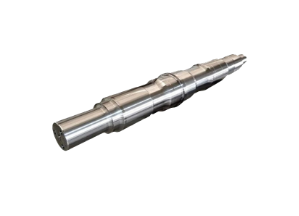
A Comprehensive Guide to Axles Types for Industry Decision Makers | Manufacturing Base
Axles Types is a key solution in the industry, specifically within heavy machinery and transportation sectors. This article explores how https://www.manufacturing-base.com supports professionals with durable, high-performance products
>
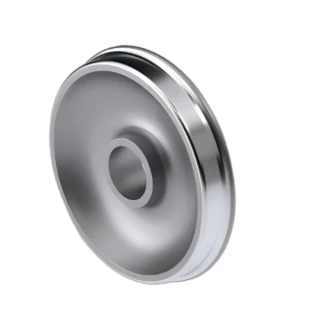
Reliable Rail Wheels: Optimize Your Rail Transport Solutions
For industries that rely on rail-based vehicles, choosing the right rail wheels is essential for smooth operations and safety.
>
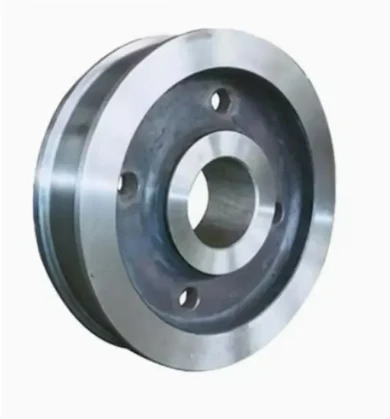
Premium Overhead Crane Wheels For Sale: Enhance Industrial Lifting Efficiency
In modern industrial operations, high-quality overhead crane wheels for sale are essential for safe, reliable, and efficient lifting.
>
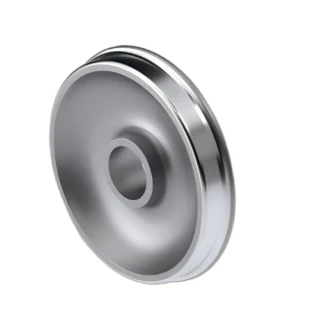
Premium Hi Rail Wheels For Sale: Boost Rail Vehicle Performance
In the modern industrial and railway sectors, having reliable hi rail wheels for sale is essential for operational efficiency and safety.
>
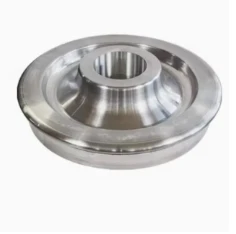
High-Quality Hi Rail Wheels For Sale: Enhance Your Rail Equipment Efficiency
When it comes to reliable rail maintenance and industrial operations, investing in hi rail wheels for sale is crucial.
>
Engineered for Excellence
Our forged solutions deliver reliability and performance, powering demanding industries to keep operations running smoothly.

Sign up
for Newsletter
Subscribe to the weekly newsletter for all the latest updates