- Tel: +86 311 82620404
- Cell: 86 -13739710551
- Email: sales@potentia.cn

The Intricacies of Train Wheel on Rail Systems Explained
Understanding the Train Wheel on Rail: A Veteran’s Perspective
Having dealt with industrial equipment for over a decade, I’ve come to appreciate just how deceptively simple the concept of a train wheel on rail really is. You see trains slicing through landscapes, gliding on rails as if by magic—but behind that smooth movement lies a blend of rigorous engineering, material science, and practical field adjustments that keep the entire operation safe and efficient.
Why the Wheel-Rail Interaction Matters More Than You Think
When you watch a train roll by, the wheel and rail engage in what’s called rolling contact fatigue. This isn’t just a fancy phrase—it's a real challenge in terms of wear and tear. Over time, both the steel wheel and the rail endure millions of repeated loads. Oddly enough, the shapes and materials chosen aren’t just arbitrary; they are a balanced act to reduce friction, lower rolling resistance, and mitigate damage.
Many engineers, myself included, stress the importance of the profile of the wheel tread and the rail head. Even subtle deviations can increase wear rates dramatically. Rolling resistance influences fuel consumption—yes, those tiny losses add up commercially to a lot. When I worked with a regional freight company, we noticed that regularly monitoring wheel profiles extended rail life by roughly 20%. Not bad, considering the economics of rail replacement.
Train Wheel on Rail: The Core Product Specifications That Matter
Let’s break down the key specs that anyone in the field should look out for when evaluating train wheels and rails:
| Specification | Details |
|---|---|
| Wheel Material | High-grade forged steel (AISI 5140 / 5160) |
| Wheel Diameter | 840 mm to 920 mm (varies by train type) |
| Rail Profile | UIC 60, 49 kg/m steel rail |
| Hardness | Railhead: 320-360 HV; Wheel Tread: 270-300 HB |
| Operating Load | Up to 25 tons per axle |
| Typical Speed Range | Up to 160 km/h for freight, 300 km/h for high-speed trains |
In real terms, these specs aren’t fixed. Maintenance schedules, track conditions, and weather all have their say. I recall a winter when unexpectedly aggressive frost heave forced us to swap wheels earlier than planned – talk about an urgent field decision.
Choosing the Right Supplier: A Quick Comparison
Over the years, I’ve worked with several vendors offering train wheel and rail solutions. Here’s a snapshot comparing a few key players based on product range, quality certifications, and custom engineering capabilities:
| Vendor | Product Range | Quality Certifications | Custom Engineering | Price Tier |
|---|---|---|---|---|
| SteelTrack Co. | Standard wheels, rails, turnouts | ISO 9001, IRIS | Moderate | Mid-range |
| RailPro Ltd. | Advanced alloy wheels, custom rails | ISO 14001, IRIS, OHSAS 18001 | Extensive | Premium |
| Track Solutions Inc. | Basic rails and wheels, quick delivery | ISO 9001 | Limited | Budget |
Choosing between budget and premium often boils down to expected lifecycle and project complexity. Junior engineers might lean budget at first, but field experience teaches you the cost of shortcuts.
Wrapping Up: Why Train Wheel on Rail Still Fascinates Me
Think about the enormous forces at play, the precision needed, and the stakes when a crack suddenly appears in a rail or a wheel unexpectedly wears down. It’s a wonder of modern engineering that keeps millions of passengers and tons of freight moving every day.
Every time I’m on a train, I can’t help but admire that subtle contact point between wheel and rail — a point where technology meets the realities of wear, weather, and time. For anyone in manufacturing or industrial sectors, understanding train wheel on rail is not just academic; it’s practical wisdom.
Feel free to dig deeper, ask questions, or just appreciate that lick of steel on steel—the original industrial handshake.
References & Reflections
- Personal experience managing wheel profile maintenance on freight trains, 2016-2019
- "Rolling Contact Fatigue and Rail Material Studies," Rail Engineering Journal, 2021
- Vendor product datasheets and industry ISO certification directories, 2023
-
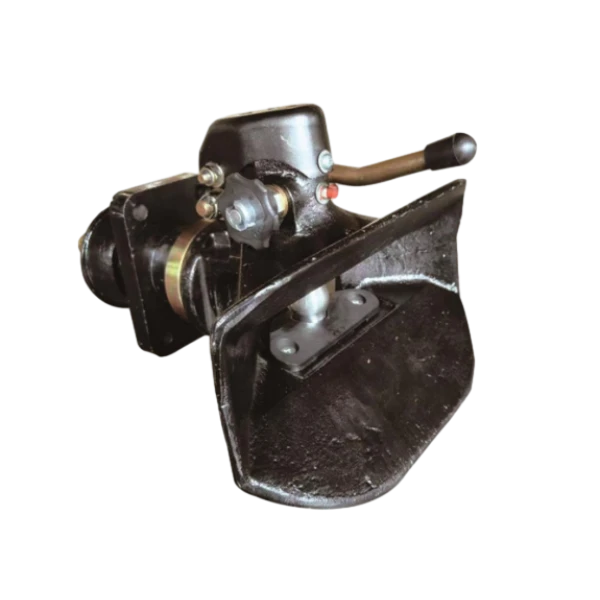 Trailer Coupling
The trailer coupling is a critical component in vehicle towing systems, designed to ensure a secure and efficient connection between a towing vehicle and a trailer. These couplings are manufactured using high-strength carbon steel, alloy steel, or stainless steel, ensuring durability and resistance to heavy loads and harsh environments.
-
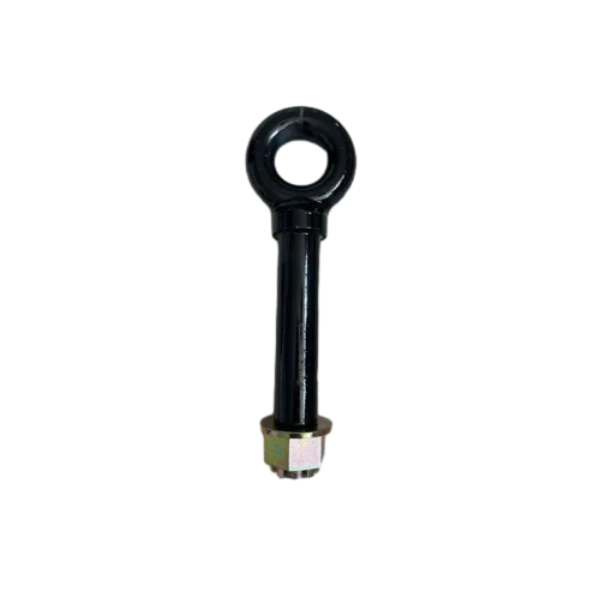 Drawbar Eyes
Drawbar eyes are essential components in towing and hauling applications, providing a strong and secure attachment point between the trailer and the towing vehicle. They are designed to endure extreme pulling forces, making them suitable for heavy-duty applications.
-
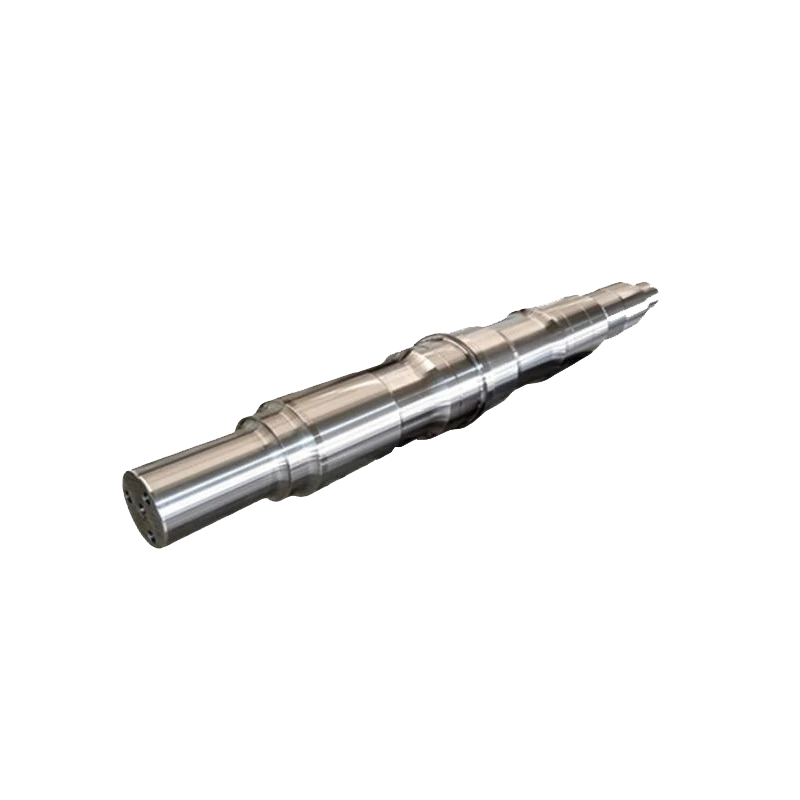 Axles
Axles are essential for vehicle load-bearing and power transmission, ensuring smooth movement and weight distribution. They must withstand high stress, torque, and impact, making material selection and precise manufacturing crucial.
-
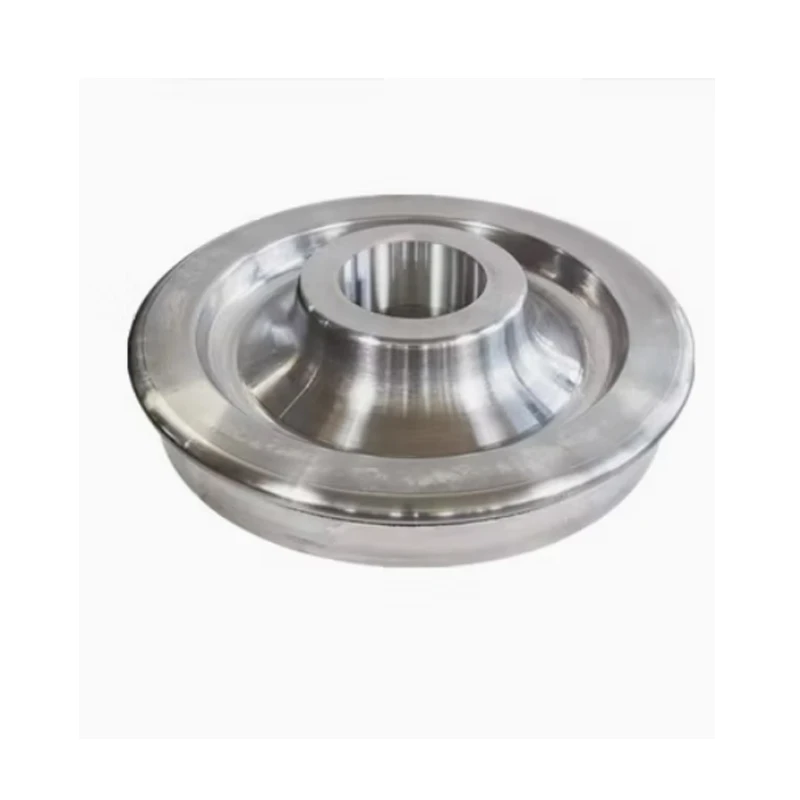 Profile S1002 Series Rail Wheels
The S1002 series rail wheels are designed for Rail-Road Vehicles (RRVs) that require seamless operation on both roads and railway tracks. Engineered with high precision and durability, these wheels conform to S1002 tread profiles, ensuring compatibility with standard railway systems.

Ultimate Guide to RC Portal Axles for Better Ground Clearance
Mastering Off-Road Performance: The Ultimate Guide to RC Portal Axles For RC crawling enthusiasts and professional builders, achieving maximum ground clearance is the difference between conquering a trail and getting stuck. This is where rc portal axles come into play. Unlike standard straight axles, portal axles utilize a unique gear set at the wheel ends to lift the axle tube higher than the wheel center. This engineering marvel allows vehicles to traverse larger rocks and deeper obstacles without bottoming out. In this comprehensive guide, we will explore the technical advantages, design specifications, and maintenance tips for implementing high-performance portal systems
>

High Performance Portal Axles for Mining and Heavy Industry
The Ultimate Guide to High-Performance Portal Axles for Mining and Heavy Industry In the demanding world of heavy-duty machinery and off-road transport, the efficiency of the drivetrain is paramount. portal axles provide a revolutionary approach to vehicle architecture by raising the axle tube above the wheel center. This design not only increases ground clearance but also optimizes torque delivery for extreme terrains. Whether used in specialized mining vehicles or heavy industrial equipment, these components are engineered to withstand immense pressure and abrasive environments. In this guide, we explore the technical superiority and material science that make these axles indispensable for modern industrial operations.
>

High Performance niche axles for Specialized Heavy Duty Vehicles
The Ultimate Guide to High-Performance niche axles for Specialized Vehicles In the complex world of automotive manufacturing, the demand for precision-engineered components is higher than ever. niche axles serve as the backbone for specialized transportation, providing the necessary structural integrity and load-bearing capacity for non-standard vehicle applications. Whether it is for heavy-duty agricultural machinery, custom industrial trailers, or specialized logistics equipment, selecting the right axle system is critical to operational safety and longevity. This guide explores the technical nuances of these specialized components and how they optimize performance in demanding environments.
>

Professional Guide to Optimizing Hauling with Longfield Axles
Optimizing Heavy-Duty Hauling with Longfield Axles: A Professional Guide In the demanding world of automotive and industrial manufacturing, the integrity of a vehicles drivetrain is the foundation of operational efficiency. longfield axles have long been recognized as a gold standard for those requiring exceptional load-bearing capacity and durability. Whether applied in agricultural machinery, construction trailers, or specialized industrial vehicles, the right axle system ensures that heavy loads are transported safely without risking mechanical failure. This guide explores the technical advantages of high-performance axles and how they integrate with critical towing components to maximize fleet uptime and safety.
>

High Angle CV Axles Guide for Performance and Durability
High Angle CV Axles: The Ultimate Guide to Performance and Durability In the world of automotive engineering, particularly for lifted trucks and off-road vehicles, the drivetrain faces immense stress. One of the most critical components in this system is the constant velocity joint. When a vehicles suspension is raised, the angle at which the axle meets the differential increases, often leading to premature wear or failure in standard parts. This is where high angle cv axles become indispensable. By allowing for a greater range of motion without sacrificing torque delivery, these specialized components ensure that your vehicle remains reliable regardless of the terrain.
>
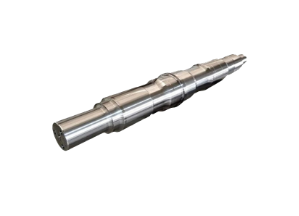
A Comprehensive Guide to Axles Types for Industry Decision Makers | Manufacturing Base
Axles Types is a key solution in the industry, specifically within heavy machinery and transportation sectors. This article explores how https://www.manufacturing-base.com supports professionals with durable, high-performance products
>
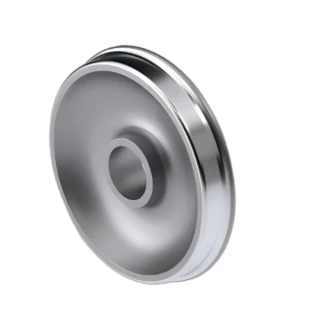
Reliable Rail Wheels: Optimize Your Rail Transport Solutions
For industries that rely on rail-based vehicles, choosing the right rail wheels is essential for smooth operations and safety.
>
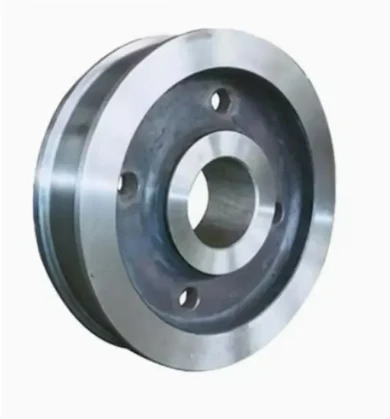
Premium Overhead Crane Wheels For Sale: Enhance Industrial Lifting Efficiency
In modern industrial operations, high-quality overhead crane wheels for sale are essential for safe, reliable, and efficient lifting.
>
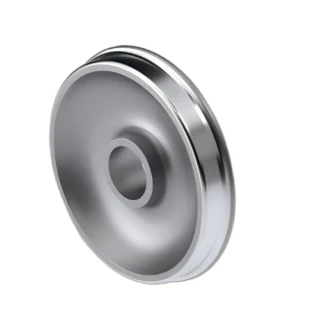
Premium Hi Rail Wheels For Sale: Boost Rail Vehicle Performance
In the modern industrial and railway sectors, having reliable hi rail wheels for sale is essential for operational efficiency and safety.
>
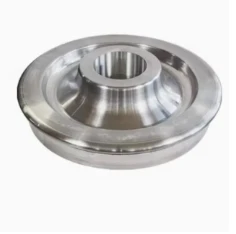
High-Quality Hi Rail Wheels For Sale: Enhance Your Rail Equipment Efficiency
When it comes to reliable rail maintenance and industrial operations, investing in hi rail wheels for sale is crucial.
>
Engineered for Excellence
Our forged solutions deliver reliability and performance, powering demanding industries to keep operations running smoothly.

Sign up
for Newsletter
Subscribe to the weekly newsletter for all the latest updates