The stability and load-bearing efficiency of heavy-duty transport systems depend heavily on the synergy between structural components. In the world of industrial hauling, understanding the role of trailer axles and springs is fundamental to ensuring that equipment can withstand immense pressures while maintaining operational safety. These components act as the primary interface between the cargo and the road, absorbing shocks and distributing weight to prevent structural failure.
From a global logistics perspective, the demand for high-performance chassis components has surged as industries move toward heavier payloads and more demanding terrains. The engineering behind these systems focuses on minimizing fatigue and maximizing the lifespan of the vehicle, which directly impacts the bottom line of transport companies. Investing in precision-engineered components reduces the frequency of unplanned maintenance and enhances the overall reliability of the supply chain.
Whether you are managing a fleet of industrial trailers or specifying parts for a new build, prioritizing high-grade alloy steels and precision forging is key. By selecting the right trailer axles and springs, operators can ensure a smoother ride, reduced wear on tires, and a significant increase in the safety margins of their lifting and hauling operations.
The Role of Metallurgy in Chassis Components
The foundation of any reliable hauling system is the material from which it is constructed. For components like trailer axles and springs, the use of high-strength alloy steels such as 4140, 4330, 4340, and 42CrMo is non-negotiable. These materials provide the necessary yield strength and fatigue resistance to handle loads ranging from 5 to 50 tons per unit without permanent deformation.
Precision forging further enhances these metallurgical properties by refining the grain structure of the metal. This process ensures that the internal stresses are distributed evenly, making the components significantly more resistant to cracking under extreme cyclic loading. When the metallurgy is consistent, the result is a chassis that can endure harsh industrial environments for years.
Load Distribution and Structural Integrity
Proper load distribution is the primary function of any axle and suspension system. When weight is not evenly spread across the trailer axles and springs, it creates concentrated stress points that can lead to premature failure of both the chassis and the road surface. A well-engineered system ensures that every wheel carries its share of the load, maintaining stability even during sudden shifts in cargo weight.
The integration of high-quality bearings, such as roller or ball bearings, is critical to facilitate smooth rotation under these massive loads. This reduces friction and heat buildup, which are the leading causes of axle failure in long-haul or heavy-industrial transport. When rotation is fluid, the energy required for movement is minimized, improving overall fuel efficiency and reducing mechanical wear.
Furthermore, the customization of wheel width and tread design allows the system to be tailored to specific operational needs. Whether it is a flat tread for smooth warehouse floors or a grooved design for rugged mining tracks, matching the component to the environment is essential for maintaining structural integrity over the long term.
Maintenance Indicators for Heavy-Duty Systems
Identifying the early signs of wear in trailer axles and springs is the only way to avoid catastrophic failures in the field. Procurement and maintenance managers should look for surface pitting, hairline cracks, or flattening of the contact surfaces. These are clear indicators that the material has reached its fatigue limit and can no longer safely support the rated load.
Misalignment and uneven rolling are other critical red flags. If a trailer begins to vibrate excessively or deviates from a straight path, it often suggests that the trailer axles and springs have lost their dimensional accuracy. This misalignment not only damages the equipment but also accelerates the wear of the tires and the road infrastructure.
Finally, a sharp increase in the frequency of maintenance interventions indicates that the components are nearing the end of their service life. Replacing worn parts proactively with forged alloy steel alternatives is far more cost-effective than dealing with unplanned downtime and potential safety hazards during a heavy-lift operation.
Comparing Forged vs Cast Component Performance
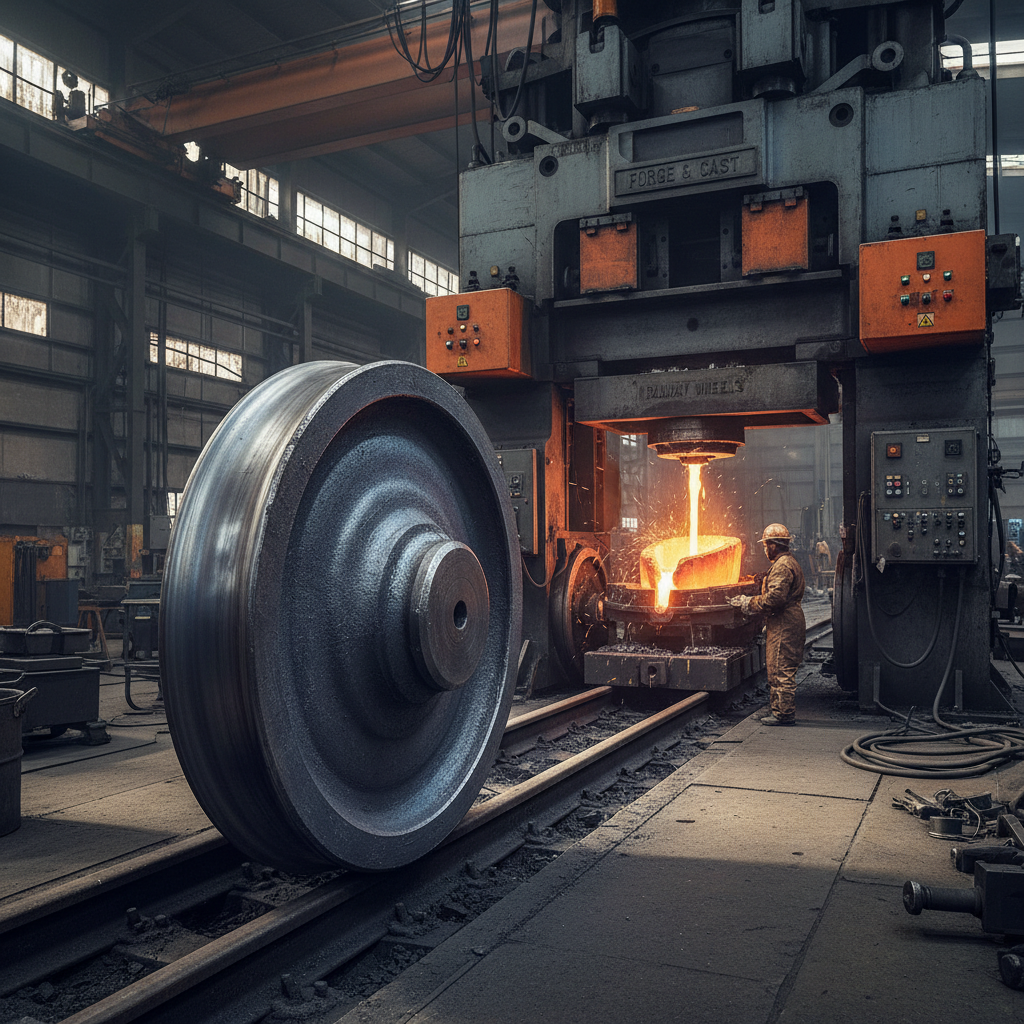
When sourcing components, the choice between forging and casting often comes down to a trade-off between initial cost and long-term reliability. Cast components are often cheaper to produce but are prone to internal voids and impurities. In contrast, forged trailer axles and springs are produced under immense pressure, creating a dense, uniform structure that is far superior in terms of toughness and impact resistance.
For industrial operations where safety is paramount, the superior fatigue resistance of forged alloy steel is an essential advantage. Forged parts can withstand higher peak loads and are much less likely to suffer from sudden, brittle fractures. This reliability translates into longer replacement cycles and a significantly lower total cost of ownership.
Performance Comparison: Forged vs Cast Trailer Axles and Springs
Global Industrial Applications and Use Cases
Across the globe, the application of high-strength trailer axles and springs varies by industry. In steel mills and shipyards, these components must handle static loads of immense proportions while resisting corrosion from industrial chemicals. In these environments, the use of heat-treated 4340 steel ensures that the chassis remains stable even when moving massive prefabricated sections.
In remote mining operations in Australia or South America, the challenge is different. Here, the equipment faces extreme temperature fluctuations and abrasive dust. Components engineered for high fatigue resistance are critical to prevent axle snaps in the middle of a remote track, where a breakdown can stop production for days and cost millions in lost revenue.
Enhancing Track and Road Longevity
There is a symbiotic relationship between the quality of trailer axles and springs and the longevity of the tracks they roll upon. When axles are perfectly aligned and springs provide consistent damping, the load is distributed evenly across the contact patch. This prevents the "gouging" effect seen with substandard components, where concentrated pressure destroys the asphalt or rail surface.
Furthermore, the use of precise tread profiles reduces rolling resistance. By minimizing the energy lost to friction and vibration, the overall stress on the entire transport system is lowered. This not only saves the road but also prolongs the life of the trailer's own frame and coupling mechanisms.
For facility managers, this means a significant reduction in infrastructure repair costs. By investing in high-end forged wheels and axles, companies can extend the maintenance intervals for their warehouses, loading bays, and internal rail systems, creating a more sustainable operational loop.
Future Trends in Suspension Engineering
The future of trailer axles and springs is moving toward "smart" materials and integrated monitoring. We are seeing the emergence of sensors embedded within the axle housing that can provide real-time data on load distribution and fatigue. This transition to predictive maintenance allows operators to replace parts based on actual wear data rather than generic time intervals.
Additionally, there is a growing focus on lightweighting without sacrificing strength. New alloy compositions and advanced heat-treatment processes are allowing for components that are 10-15% lighter while maintaining the same 50-ton load capacity. This reduction in dead weight increases the net payload capacity of the trailer, directly improving profitability.
Sustainability is also playing a role, with a move toward more recyclable alloys and energy-efficient forging processes. As global emissions standards tighten, the efficiency of the chassis—specifically how it manages rolling resistance—will become a key metric for the next generation of industrial hauling equipment.
Comparison of Material Performance for Heavy-Duty Axles
| Material Type |
Load Capacity |
Fatigue Resistance |
Common Application |
| Alloy Steel 4140 |
Medium-High |
High |
General Industrial Trailers |
| Alloy Steel 4340 |
Extreme |
Very High |
Heavy Mining Equipment |
| 42CrMo Steel |
High |
High |
Crane Rail Wheels |
| Cast Carbon Steel |
Low-Medium |
Moderate |
Light Duty Utility Carts |
| Alloy Steel 4330 |
High |
High |
Custom Forging Parts |
| Tool Steel |
Medium |
Extreme (Wear) |
Specialized Track Wheels |
FAQS
Look for visible signs of surface wear such as pitting, cracks, or flattening of the wheel tread. Additionally, if the vehicle experiences unusual vibrations, noise, or a tendency to pull to one side, it may indicate that the axles have lost their alignment or the springs have sagged, compromising safety.
Forging creates a dense, uniform grain structure by applying high pressure to the metal. This results in significantly higher tensile strength and fatigue resistance compared to casting, which often contains internal voids. Forged components can handle extreme loads without the risk of sudden brittle fracture.
For the most demanding applications, alloy steels like 4340 or 42CrMo are recommended. These materials offer the best balance of hardness, toughness, and wear resistance, ensuring that the components can support loads up to 50 tons while resisting the effects of cyclic loading.
Yes. Poorly designed or worn axles cause uneven load distribution, which leads to high-pressure points on the track. This can cause rail gouging, pitting, and misalignment, significantly increasing the cost of infrastructure maintenance and reducing the lifespan of the tracks.
Depending on the intensity of use, a comprehensive inspection every 3 to 6 months is recommended. This should include checking for grease leakage in bearings, measuring wheel alignment, and inspecting the spring leaves or coils for signs of stress fractures.
Absolutely. Customizing wheel width and diameter to match the specific track width and crane design ensures maximum stability and minimizes rolling resistance. This precision tailoring prevents unnecessary wear and optimizes the load-bearing capacity of the entire system.
Conclusion
In summary, the operational success of any heavy-duty transport or lifting system is inextricably linked to the quality of its chassis components. From the precise selection of alloy steels like 4340 and 42CrMo to the adoption of forging over casting, every engineering choice impacts the durability and safety of the equipment. By focusing on load distribution, metallurgical integrity, and proactive maintenance of trailer axles and springs, businesses can significantly reduce downtime and infrastructure wear.
As the industry moves toward smarter, lighter, and more sustainable materials, the importance of partnering with a reliable manufacturer becomes even more critical. Investing in high-performance, precision-engineered components today is the only way to guarantee long-term efficiency and safety in an increasingly demanding industrial landscape. For professional-grade solutions, visit our website: www.manufacturing-base.com