Procuring heavy-duty components for industrial trailers requires a precise balance between upfront investment and long-term operational durability. When fleet managers evaluate axles price, the focus often shifts from the sticker price to the Total Cost of Ownership (TCO), where material grade and forging precision dictate the frequency of replacement.
In the context of automotive wheel and axle manufacturing, the variance in cost is rarely arbitrary. It is driven by the technical requirements of the application—whether it is a center-axle trailer navigating urban logistics or a mine cart wheel enduring the abrasive environment of an open-pit mine. Understanding the drivers of these costs is essential for optimizing procurement budgets without compromising safety.
This guide analyzes the economic and technical variables that influence the pricing of axles and related custom forgings, providing a framework for procurement teams to evaluate supplier value based on engineering excellence and material reliability.

Decoding the Variables Behind Industrial Axle Pricing

The cost of an industrial axle is not a static figure but a reflection of its intended load-bearing capacity and the environment in which it operates. Primary drivers include the raw material costs of high-strength steel, the complexity of the forging process, and the precision of the final machining. For customized solutions, such as those used in Rail Wheels for RRVs or Mine Cart Wheels, the price incorporates the specialized heat treatment required to prevent fatigue failure.
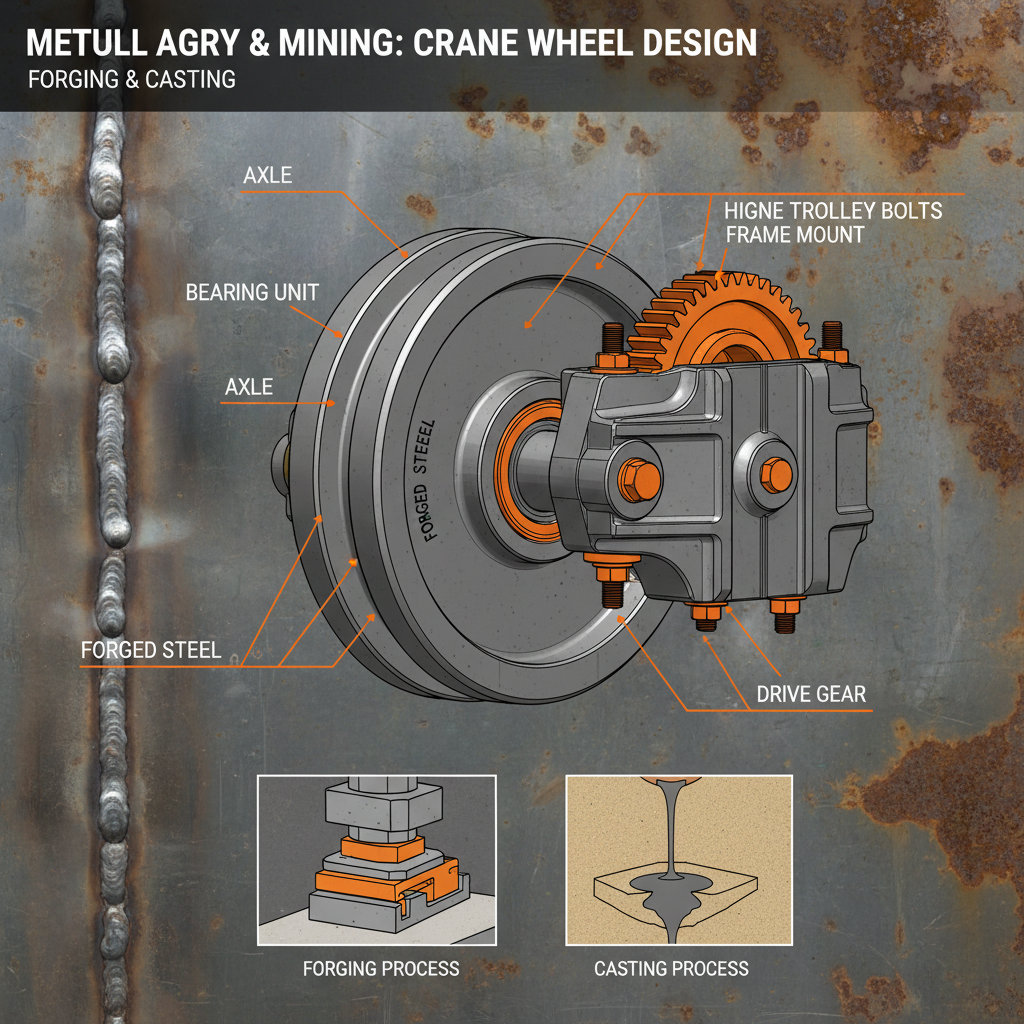
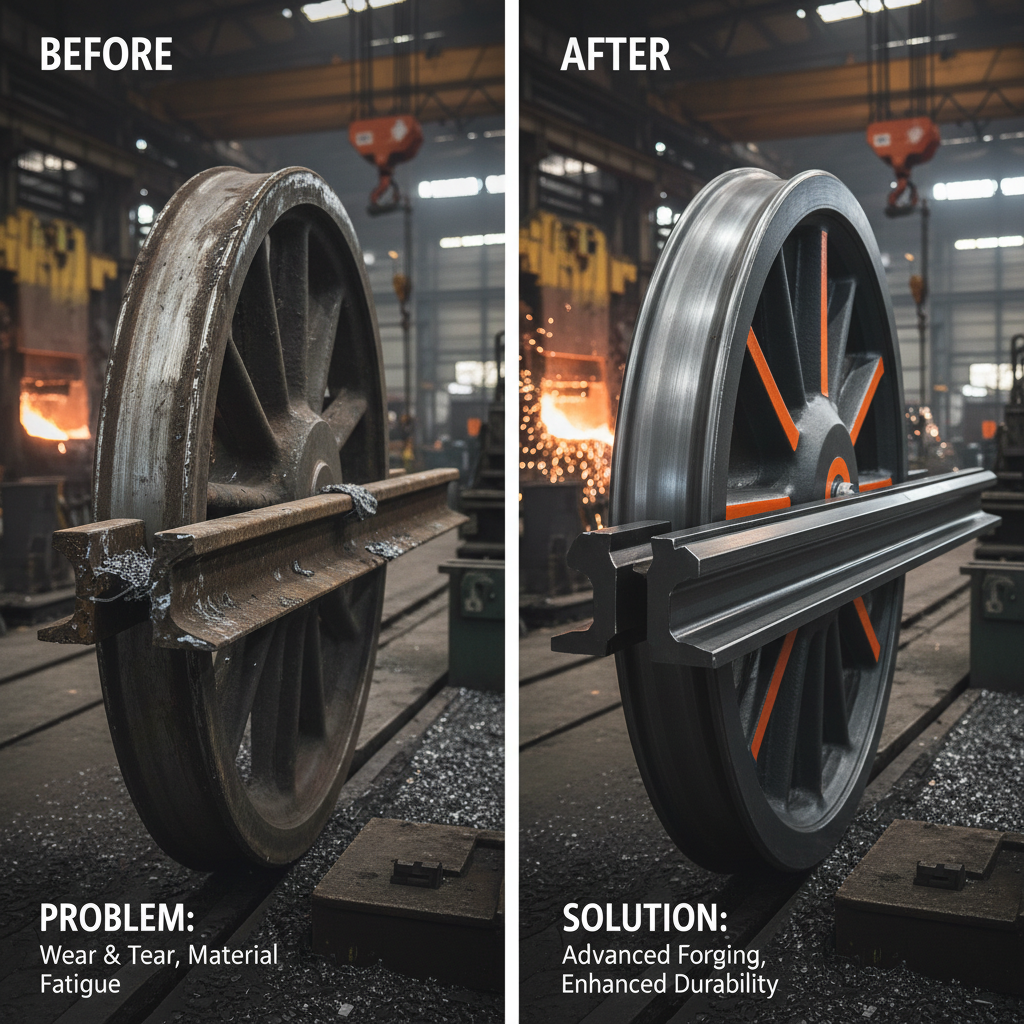
Furthermore, the distinction between standard cast components and forged solutions creates a significant price gap. Forged axles offer superior grain structure, which enhances strength and durability, making them a more cost-effective choice over the lifecycle of the equipment despite a higher initial purchase price.
Procurement professionals must also consider the logistical costs associated with custom forgings. When sourcing from specialized manufacturers like Potentia Manufacturing Ltd., the ability to integrate factory-direct production reduces middleman markups, providing a more competitive entry point for high-standard quality components.
The Impact of Forging Precision on Component Longevity
Precision forging ensures that the internal molecular structure of the steel is aligned with the direction of the stress, which is critical for axles subjected to extreme horizontal traction forces. In articulated trailers, where the force (D) is calculated based on the total weight of the towing vehicle and trailer, any imperfection in the axle's forging can lead to premature deformation or catastrophic failure.
High-precision machining reduces the friction and wear at the connection points, particularly when integrating axles with drawbar eyes or trailer couplings. By ensuring that dimensions are exact and finishes are robust, manufacturers minimize the risk of misalignment, which otherwise accelerates the wear of the entire wheel assembly.
Ultimately, the value of a precision-forged axle is realized during the "stress test" of daily operations. Components that maintain their structural integrity under repeated shock loads from uneven terrain reduce the need for emergency replacements, thereby stabilizing the operational budget of the fleet.
Application-Specific Requirements for Heavy-Duty Axles
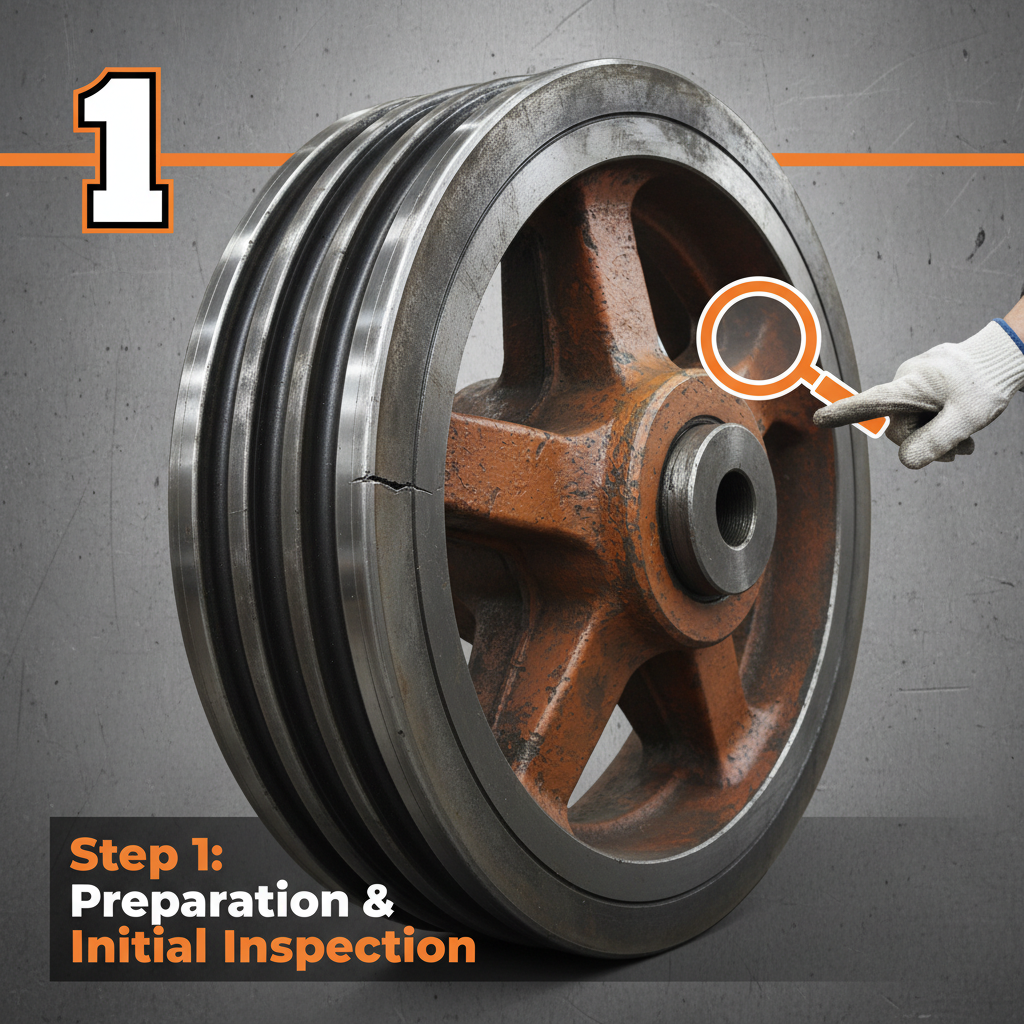
Different industrial sectors demand distinct axle characteristics, which directly influences the technical specifications and the resulting price. For instance, Mine Cart Wheels must prioritize abrasion resistance and high impact strength to survive harsh mining terrain, whereas Crane Wheels require extreme dimensional stability to support vertical loads without tilting.
In the logistics sector, center-axle trailers rely on the formula DC(kN)=g.T.C/T+C to determine traction force requirements. Axles designed for these applications must balance weight reduction with load capacity to optimize fuel efficiency for the towing vehicle while ensuring the connector can withstand the theoretical horizontal traction force.
Agricultural and construction transport often utilize swivel drawbar eyes in conjunction with heavy-duty axles. This combination allows for rotational movement, reducing lateral stress on the axle during sharp turns on rough ground, effectively extending the component's lifespan by distributing torque more evenly.
Analyzing Material Grade vs Maintenance Expenditure
There is a direct inverse correlation between the quality of the forged steel used in axles and the subsequent maintenance costs. While lower-grade steel may lower the initial axles price, it often leads to a steeper increase in maintenance frequency due to faster wear and tear and a higher probability of structural fatigue.
When comparing industry-standard cast components with high-performance forged solutions, the difference in "reliability duration" becomes evident. Forged axles exhibit significantly lower deformation rates under peak load conditions, which translates to fewer alignment corrections and bearing replacements.
axles price Performance Metrics
The data suggests that investing in a higher material grade initially reduces the cumulative maintenance overhead by approximately 30-50% over a five-year window, depending on the severity of the operating environment. This makes the forged option the logically superior choice for large-scale industrial operations.
Procurement Strategies for Reducing Long-Term Costs
Effective procurement focuses on "Value Engineering" rather than "Lowest Bid." This involves analyzing the specific stress points of the operation and selecting components that are over-engineered for critical failure points while remaining cost-effective for non-critical elements.
Evaluating suppliers based on their integration of machine shops and factories—as seen with Potentia's strategic location in competitive casting areas—allows buyers to secure high-standard quality without the inflated costs of multi-tiered distribution networks.
Additionally, implementing a predictive maintenance schedule based on the known fatigue limits of forged steel can further reduce costs. By replacing components just before their projected failure point, fleet managers can avoid the catastrophic costs of emergency downtime and secondary equipment damage.
Future Shifts in Forged Steel Axle Manufacturing
The industry is likely to move toward more advanced alloy steels that offer a higher strength-to-weight ratio. This shift could potentially lower the axles price relative to the performance gained, as lighter axles reduce the strain on towing vehicles and improve fuel efficiency across the fleet.
Automation in precision forging and CNC machining is expected to further tighten tolerances. This will lead to "plug-and-play" compatibility between axles and other custom forgings like premier pintle eyes, reducing installation time and minimizing the need for on-site modifications.
Environmental regulations may also drive a demand for more sustainable forging processes. Manufacturers who adopt energy-efficient heating and recycling for scrap steel will likely maintain a competitive edge in pricing and compliance for global markets.
Comparative Framework for Axle and Coupling Selection
When selecting between different axle and coupling configurations, it is vital to match the technical approach to the operational environment. A solution that is cost-effective for a flat-terrain warehouse may be a liability in a mountainous mining site.
The following table provides a decision matrix for evaluating different component combinations based on their primary use case and performance characteristics.
| Solution Type | Primary Use Case | Stress Profile | Maintenance Need |
|---|---|---|---|
| Standard Forged Axle | Urban Logistics | Consistent Low-Med | Routine Lubrication |
| Heavy-Duty Mine Axle | Open-Pit Mining | High Impact / Abrasive | Frequent Inspection |
| RRV Rail Wheels | Railway Maintenance | High Linear Tension | Precision Alignment |
| Swivel Coupling Set | Rough Terrain Hauling | Lateral / Rotational | Joint Wear Monitoring |
| Pintle Eye Assembly | Industrial Towing | Extreme Pulling Force | Structural Integrity Check |
| Custom Forged Axle | Specialized Machinery | Variable / Extreme | Customized Schedule |
For organizations looking to optimize their equipment, reviewing the comprehensive range of forged solutions at www.thewheelmaker.com can provide the necessary technical data to make an informed procurement decision.
Frequently Asked Questions
Conclusion
Evaluating axles price requires a transition from a cost-centric to a value-centric procurement model. By prioritizing forging precision and material integrity, businesses can significantly reduce the volatility of their maintenance budgets and ensure the safety of their hauling operations.
Whether managing a mining fleet in Australia or a logistics network in Europe, the integration of high-standard forged components is the most reliable path to operational efficiency. Those seeking to optimize their hardware can explore the professional forging solutions available through www.thewheelmaker.com.