Understanding the e axle price involves analyzing the intersection of high-performance materials and precision engineering in the heavy machinery sector. In industrial lifting and transport, the cost of an axle is not merely a purchase price but a reflection of its load-bearing capacity, alloy composition, and expected service life under extreme stress.
For procurement managers in the automotive and heavy manufacturing industries, selecting axles based solely on the lowest initial bid often leads to increased downtime and higher long-term maintenance expenses. The real value lies in the balance between metallurgical quality—such as the use of 42CrMo or 4340 alloy steel—and the operational efficiency the component provides.
This technical analysis examines the factors influencing axle pricing, the advantages of forged over cast components, and how to evaluate suppliers to ensure maximum ROI for industrial lifting systems and heavy-duty transport applications.

1Defining Value in Axle Procurement

When assessing the e axle price, it is critical to shift the perspective from initial expenditure to Total Cost of Ownership (TCO). In heavy-duty applications, such as crane wheels and mine cart axles, the component serves as the primary point of contact between the machinery and the track, making it the most stressed part of the system.
A higher initial price typically indicates a more rigorous forging process and higher-grade alloy steel, which directly correlates to a reduction in rolling contact fatigue. This means fewer unplanned shutdowns and a longer interval between replacements.
The market price is generally influenced by the complexity of the design, the required load capacity—ranging from 5 to 50 tons per wheel—and the precision of the final machining, which ensures smooth rotation and minimal vibration.
2Material Science and Pricing Drivers
The choice of material is the single most significant factor affecting the e axle price. Forged alloy steels like 4140, 4330, 4340, and 42CrMo are industry standards for high-load applications because they offer a superior combination of hardness and toughness.
Materials that ensure high load-bearing capacity and longevity require specialized heat treatment processes. These processes, including normalizing and tempering, add to the manufacturing cost but prevent catastrophic failures under peak loads.
Beyond the raw material, the precision of the diameter (ranging from φ200mm to 1200mm) and the specific tread design—whether flat or grooved—impact the final cost based on the tooling and machining time required.
3Operational Impacts of Component Quality
The functionality of an axle extends beyond simple load support; it is fundamental to the longevity of the entire track system. Poorly engineered wheels with inconsistent hardness can cause rail gouging and misalignment, leading to expensive infrastructure repairs.
In environments like steel mills or container terminals, where cranes operate 24/7, the fatigue resistance of the axle is non-negotiable. Wheels made from inferior materials tend to develop surface pitting and cracks much faster, creating a ripple effect of instability throughout the lifting system.
Investing in high-quality forged solutions ensures that the distribution of weight remains even across the rail. This stability not only protects the tracks but also enhances worker safety by reducing the risk of derailment or unexpected mechanical failure.
4Performance Metrics for Heavy-Duty Axles
Quantifying the performance of an axle requires looking at several key indicators: Load Capacity, Wear Rate, and Fatigue Life. While a standard cast axle may meet the minimum requirements, a high-performance forged axle significantly exceeds them.
The correlation between material density and performance is linear; the denser the grain structure produced during forging, the higher the resistance to deformation under maximum load capacities of up to 50 tons.
e axle price Performance Metrics
As shown in the metrics, the investment in premium axle pricing yields a measurable increase in operational stability. This reduction in vibration and noise is a primary indicator of precision machining and high-quality metallurgical consistency.
5Forging vs. Casting: A Cost-Benefit Analysis
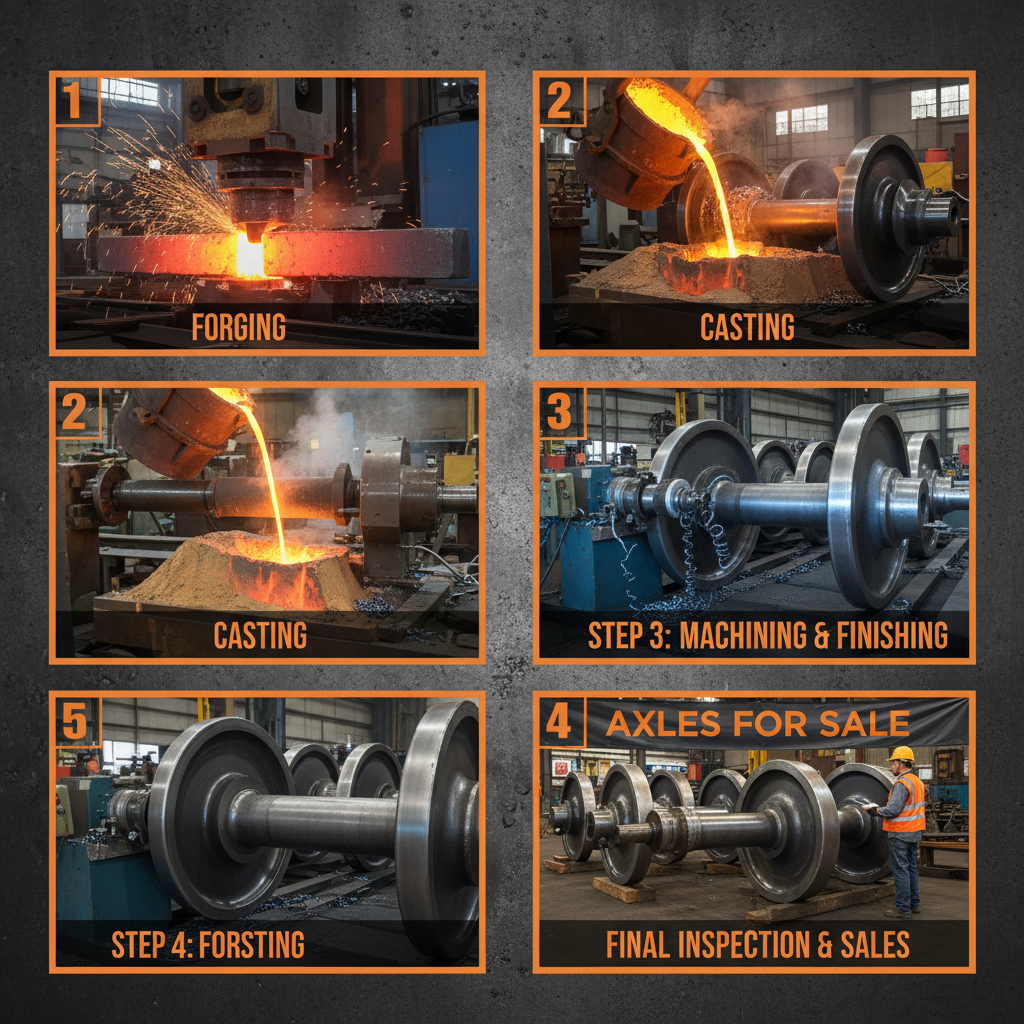
One of the most common procurement dilemmas is choosing between forged and cast wheels. While cast axles often have a lower upfront e axle price, they possess internal voids and a less uniform grain structure, making them prone to sudden failure.
Forging applies extreme pressure to the alloy steel, refining the grain flow to follow the contour of the part. This results in vastly superior toughness and impact resistance, which is critical for mine cart wheels and heavy crane applications.
For a company like Potentia Manufacturing Ltd., the focus is on providing forged solutions that eliminate the vulnerabilities of casting. The result is a component that lasts longer, requires less frequent replacement, and ultimately costs less over the project lifecycle.
6Maintenance Indicators and Replacement Cycles
Proactive maintenance is the only way to avoid the catastrophic costs of unplanned downtime. Recognizing the early signs of axle wear allows procurement teams to order replacements without halting production.
Key signs of failure include surface flattening, pitting, or visible cracks on the tread. When these occur, it indicates that the material has reached its fatigue limit and the axle's structural integrity is compromised.
Establishing a relationship with a reliable supplier ensures that custom forgings, such as trailer couplings or rail wheels, are available with minimal lead time, preventing a single worn component from idling an entire industrial fleet.
7Axle Selection Guide for Industrial Use
Selecting the right axle requires a detailed understanding of the application environment. A wheel designed for a clean indoor warehouse will fail rapidly in a mining operation or a coastal shipyard.
The following table provides a qualitative comparison of axle options based on different industrial requirements to help procurement managers make an informed decision.
| Application | Recommended Material | Primary Strength | Service Life |
|---|---|---|---|
| Heavy Crane | Forged 42CrMo | High Load Bearing | Very Long |
| Mine Cart | Forged 4340 | Impact Resistance | Long |
| General Transport | Alloy Steel 4140 | Balanced Cost | Medium |
| Light Industrial | Cast Steel | Low Initial Cost | Short |
| Custom RRVs | Forged Specialized Alloy | Extreme Precision | Very Long |
| Trailer Coupling | Forged Carbon Steel | Torsional Strength | Long |
Ultimately, the most cost-effective choice is one that aligns the material properties with the actual stress levels of the operation. By prioritizing forged alloy steel, operators can secure a higher level of reliability and safety.
Frequently Asked Questions
Conclusion
Selecting the right axle is a strategic decision that balances initial cost with operational reliability. While the upfront e axle price for forged alloy steel components is higher, the long-term savings in maintenance, downtime, and track preservation make it the only viable choice for heavy-duty industrial environments.
By focusing on material quality and precision forging, businesses can ensure their lifting and transport systems operate at peak efficiency. For those evaluating durable, high-capacity solutions, detailed product specifications and technical support can be found at www.thewheelmaker.com.